A waiting area, treatment room or cleanroom corridor can become a transmission pathway long before anyone notices a problem. That is why the question what is uv222 technology matters to healthcare leaders, facilities teams and controlled-environment operators who need effective decontamination without stopping normal activity.
UV222 technology refers to Far-UVC systems engineered to emit light at or around 222 nanometres. This narrow wavelength sits within the ultraviolet spectrum, but its practical significance is very different from conventional germicidal UV systems more commonly associated with 254 nm sources. In professional settings, the appeal of Far-UVC is not just microbial reduction. It is the potential to support continuous contamination control in occupied environments when systems are correctly designed, filtered, installed and operated within applicable exposure limits.
What is UV222 technology in practical terms?
In practical terms, UV222 technology is a category of Far-UVC decontamination equipment built around krypton chloride excimer lamp technology and optical filtering that restricts emission to the 222 nm region. The filtering matters. Without it, unwanted wavelengths can alter the safety profile of the system and undermine suitability for occupied spaces.
That distinction is central for regulated environments. Hospital administrators and infection prevention teams are not buying a light source in isolation. They are assessing whether a decontamination method can be integrated into care delivery, patient flow, staff movement or manufacturing operations without creating new operational barriers. Far-UVC is relevant because it is designed for continuous use where people are present, subject to system quality, application design and compliance with recognised exposure frameworks.
This is also why UV222 should not be treated as a generic commodity. Two systems may both claim 222 nm output, yet differ materially in filtering, irradiance distribution, installation geometry, enclosure design and application suitability. For decision-makers, performance and safety are inseparable.
How Far-UVC at 222 nm works
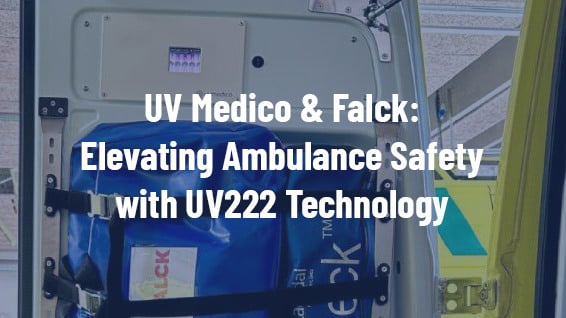
Far-UVC works by delivering energy that damages the nucleic acids of microorganisms, preventing them from replicating. When applied appropriately, this mechanism can reduce airborne and surface bioburden. The operational value is especially clear where contamination is generated continuously, such as patient rooms, ambulance cabins, gowning zones, material transfer points and high-traffic indoor spaces.
Airborne control is often where the technology attracts the most attention. In occupied rooms, emitted Far-UVC can act on pathogens suspended in air as they move through the illuminated zone. That creates a fundamentally different use case from periodic terminal cleaning or vacancy-only UV cycles. Instead of waiting until a room is empty, facilities can support ongoing decontamination during normal use.
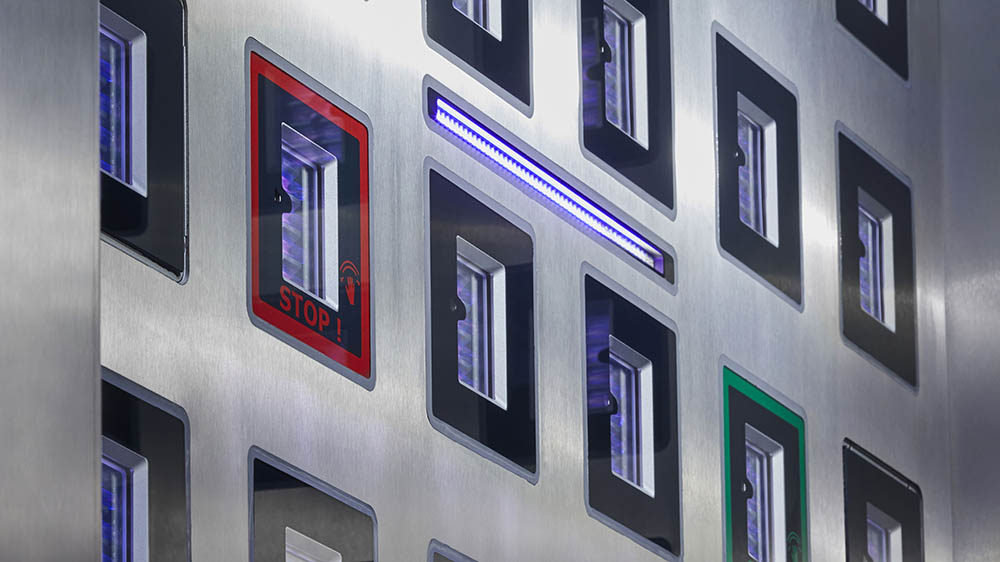
Surface effects are also relevant, although they depend heavily on geometry, exposure time, line of sight and shadowing. A floor-level step-on unit, for example, serves a different contamination control purpose from an overhead downlight or a cleanroom booth. The technology remains the same, but the application strategy changes.
Why 222 nm is treated differently from conventional germicidal UV
The reason 222 nm receives such close attention is its interaction with biological tissue. Far-UVC at this wavelength has limited penetration compared with longer-wavelength germicidal UV. That characteristic is the basis for its use in occupied-space decontamination designs.
However, that does not mean every 222 nm product is automatically safe, nor that implementation is simple. Exposure management still matters. The lamp source must be properly filtered. The fixture must be engineered for the intended environment. The installation must reflect occupancy patterns, mounting height, reflection characteristics and required dose distribution. For hospitals, laboratories and pharmaceutical environments, these are engineering and compliance decisions, not marketing claims.
This is where many discussions become oversimplified. Far-UVC is neither a magic solution nor a direct substitute for every existing hygiene measure. It is a complementary layer within a broader contamination control strategy that can include ventilation, filtration, cleaning protocols, zoning and PPE. Its strength lies in continuity. It can support microbial reduction while rooms remain in service.
Where UV222 technology is used
The strongest use cases are environments where downtime is costly and contamination risk is persistent. In healthcare, this includes patient rooms, waiting areas, treatment spaces, operating support zones and ambulance interiors. In these settings, the benefit is not merely faster decontamination. It is the ability to add a continuous control layer without interrupting patient care or vehicle readiness.
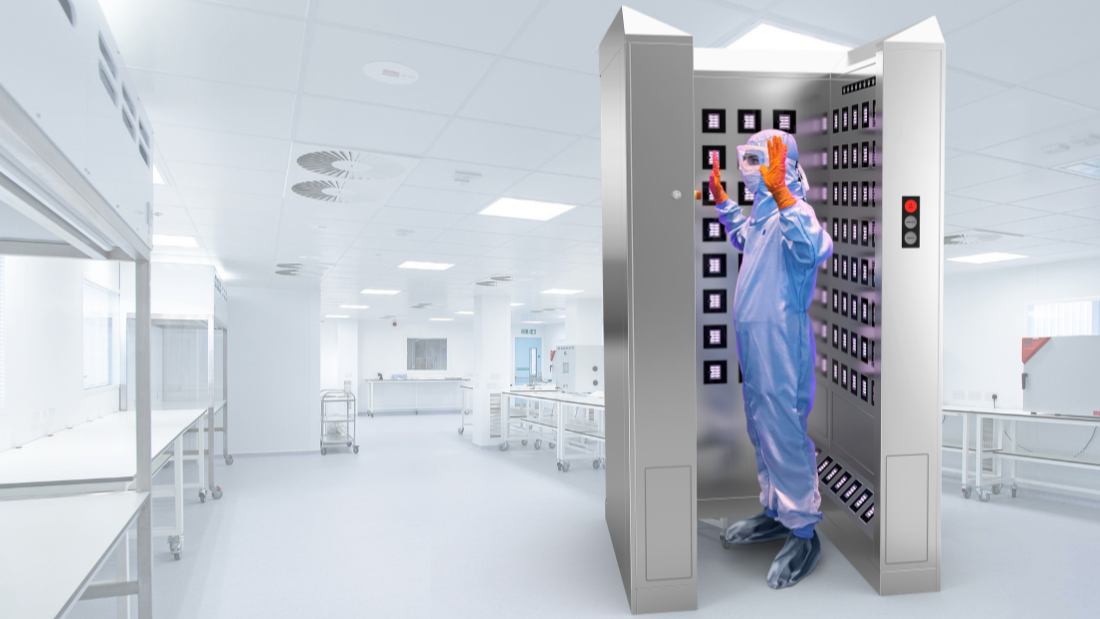
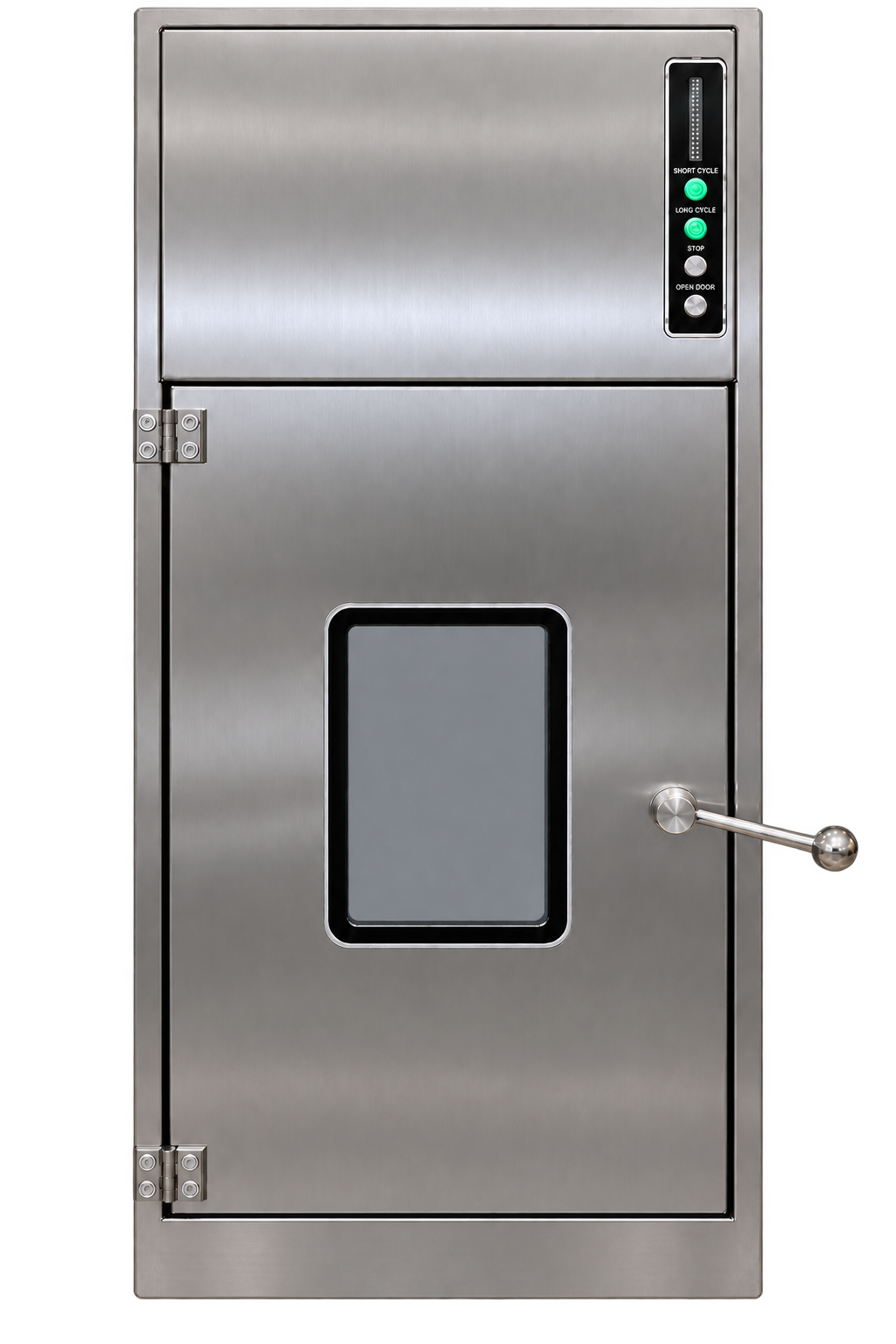
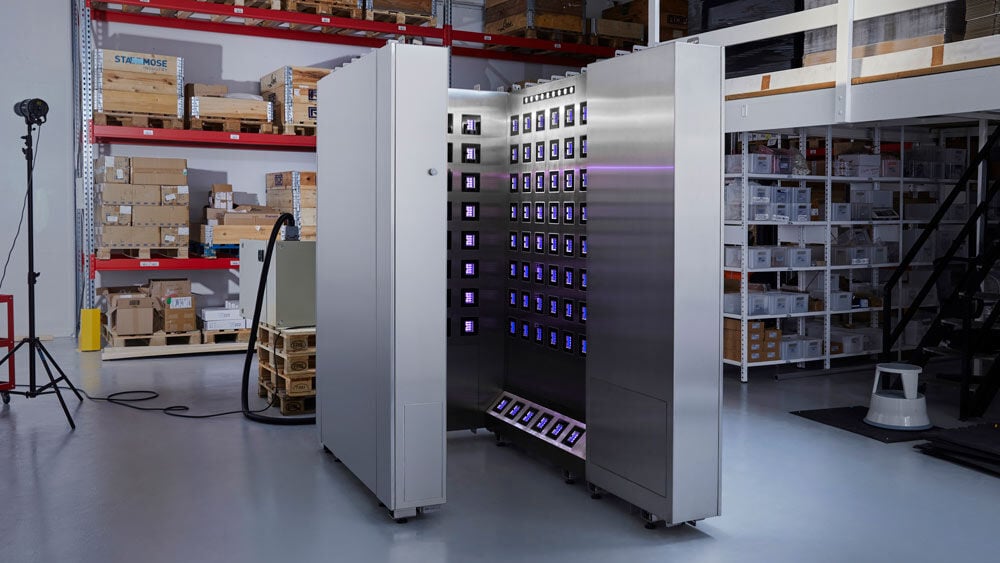
In cleanrooms and life-science production, UV222 technology can be applied in gowning areas, pass-through points, material airlocks and controlled transfer zones. Here, the challenge is often not broad-room treatment but targeted reduction of environmental bioburden around critical workflows. A well-designed Far-UVC system can help reduce contamination pressure in transition spaces where people, garments and materials move between cleanliness classes.
Commercial and public indoor air quality applications are also increasing. Offices, reception areas and shared indoor spaces face a different risk profile from acute care, but the logic is similar. If airborne transmission and environmental contamination are ongoing, a continuous decontamination method becomes operationally attractive.
The trade-offs buyers should understand
For professional buyers, the key question is not whether Far-UVC is promising. It is where it delivers the most value and under what constraints.
First, effectiveness depends on dose. If irradiance is too low for the room size, air movement pattern or target use case, the impact may be modest. Secondly, shadowing limits direct surface exposure. Overhead systems do not eliminate the need for manual cleaning of obscured or complex surfaces. Thirdly, application-specific design matters enormously. An ambulance, a corridor and an ISO-classified change area require different fixture layouts and performance assumptions.
There is also a procurement trade-off between headline claims and validated system design. Buyers in regulated environments should ask about spectral filtering, emission profile, compliance documentation, installation guidance and environment-specific performance rationale. A lower-cost unit with weak engineering controls may create more risk than value.
What to look for in a UV222 system
When evaluating what is UV222 technology from a purchasing perspective, the right lens is not novelty but suitability. A serious system should demonstrate controlled 222 nm emission, application-specific design and a clear compliance framework. It should also be backed by scientific substantiation that is relevant to the intended environment, not just generic laboratory claims.
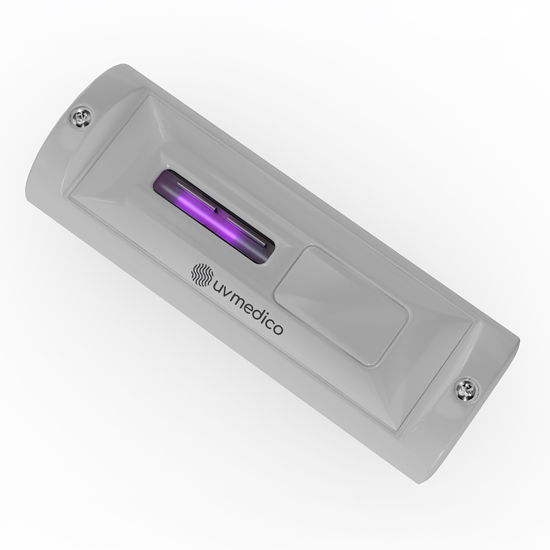
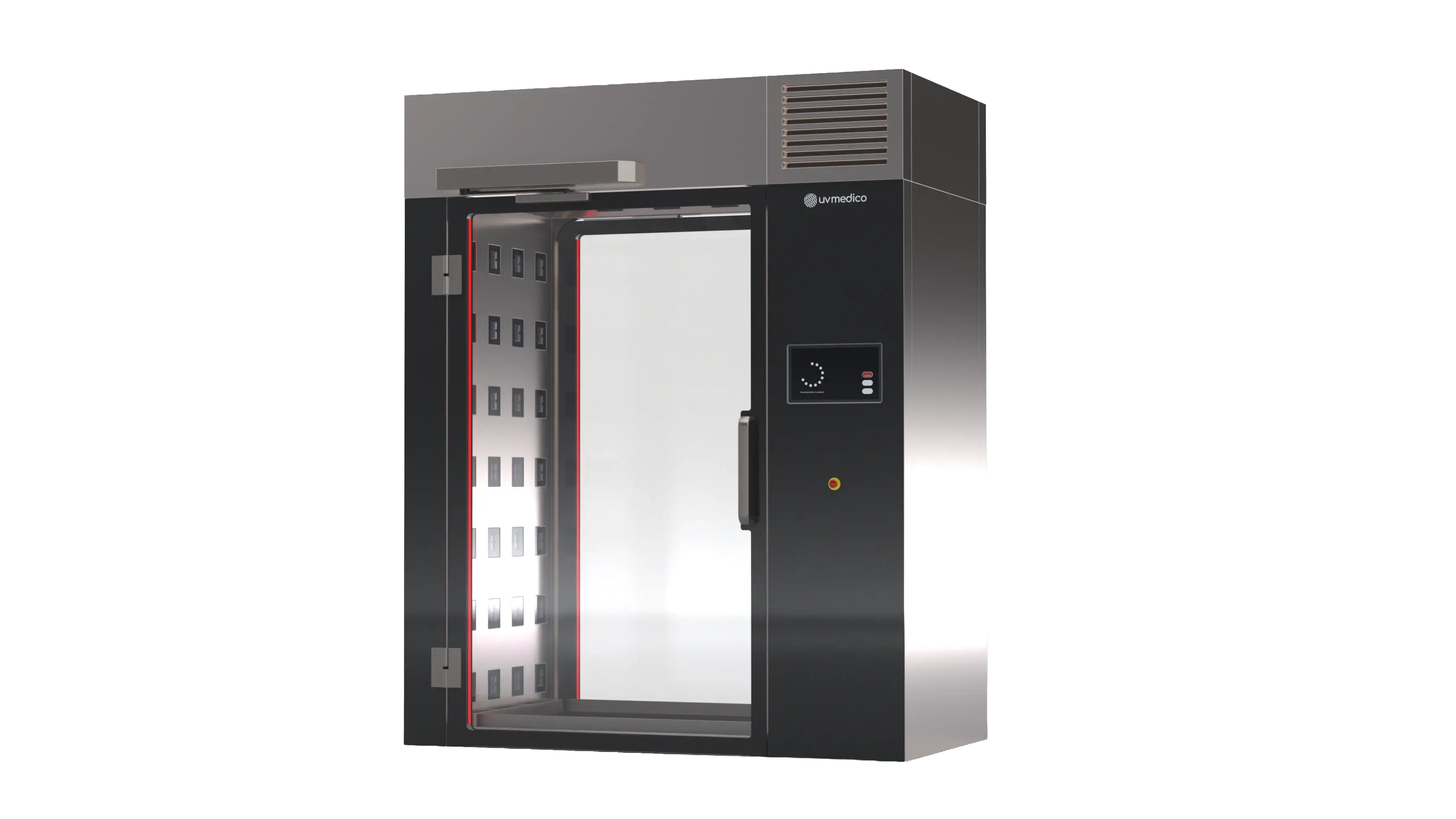
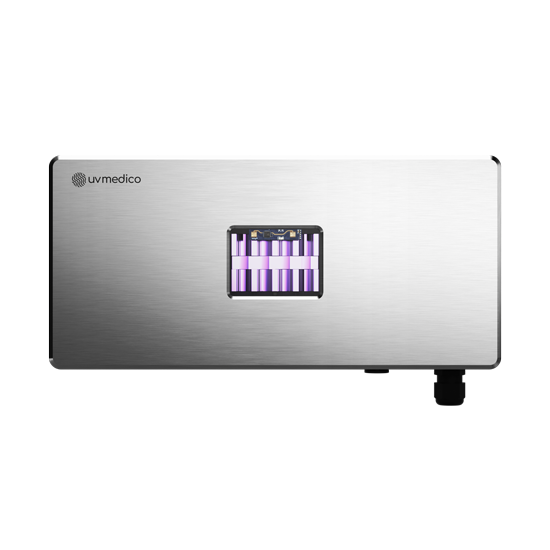
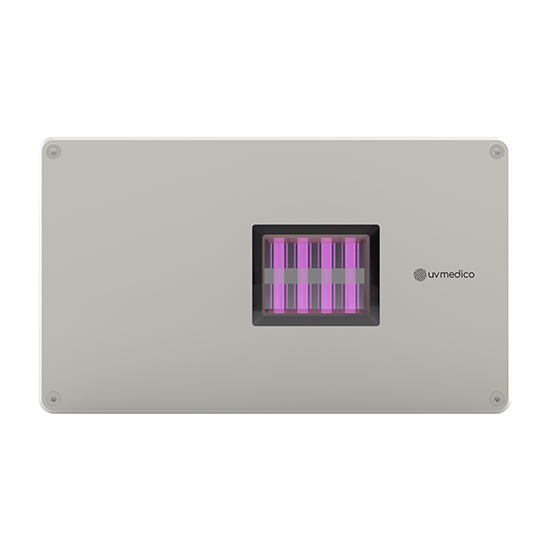
For healthcare and life-science settings, fixture format is part of the decision. Downlights, pendants, linear systems, enclosed booths and transport-specific units all support different contamination control objectives. The better question is not which product is best in the abstract, but which architecture matches the actual movement of people, air and materials in the space.
Support matters as much as hardware. Teams often need help with room assessment, positioning, exposure calculations, operating assumptions and communication to internal stakeholders. In high-trust sectors, implementation confidence is often what determines whether a technology succeeds beyond the pilot stage.
Why the market is paying attention now
Interest in Far-UVC has grown because institutions are under pressure from multiple directions at once. Healthcare providers are managing infection prevention targets, workforce strain and estate utilisation. Manufacturers and cleanroom operators are protecting throughput while tightening contamination control. Building operators are being asked to improve indoor air quality without major disruption to occupancy.
UV222 technology speaks to that operational reality. It offers a route towards continuous decontamination rather than episodic intervention. That shift is significant because contamination does not happen only during cleaning gaps or after hours. In many environments, it happens all day.
The category is also maturing. Buyers are moving past curiosity and towards practical questions about system design, evidence, compliance and environment fit. That is a healthy change. In mission-critical settings, credibility depends on how well the technology performs under real conditions, not on how novel it sounds.
For organisations considering adoption, the most useful starting point is simple: define the contamination problem precisely, map it to the workflow, and assess whether Far-UVC can add continuous control where existing measures leave gaps. When that alignment is strong, UV222 technology can become more than an interesting innovation. It can become part of the operating standard for safer indoor environments.
.png)
.png)

.png)
.png)


.png)


 Insights
 Science
 Compliance
.jpg?width=30&name=Julio%20Azevedo%20-%20Uv%20Medico%20(1).jpg) Julio Azevedo : 12 Jun, 2025
Julio Azevedo : 12 Jun, 2025



.jpg)