.png)
.png)

.png)
.png)


.png)


 Insights
 Science
 Compliance
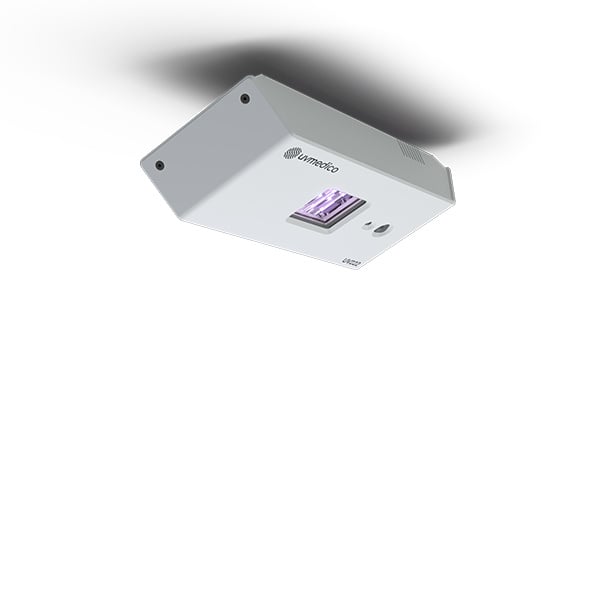
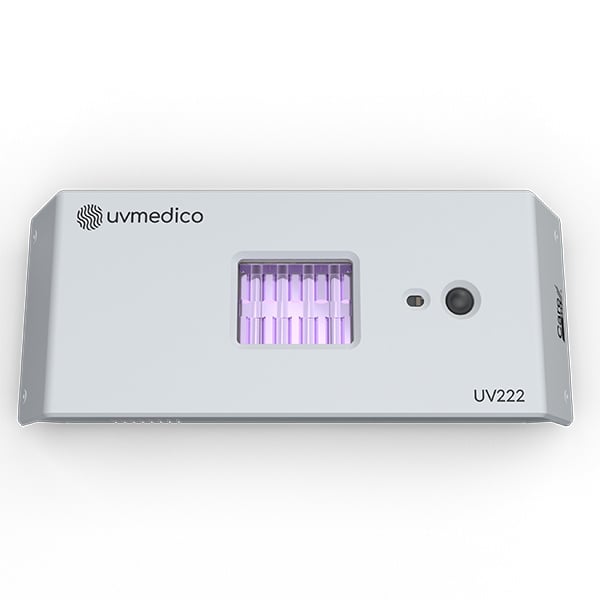
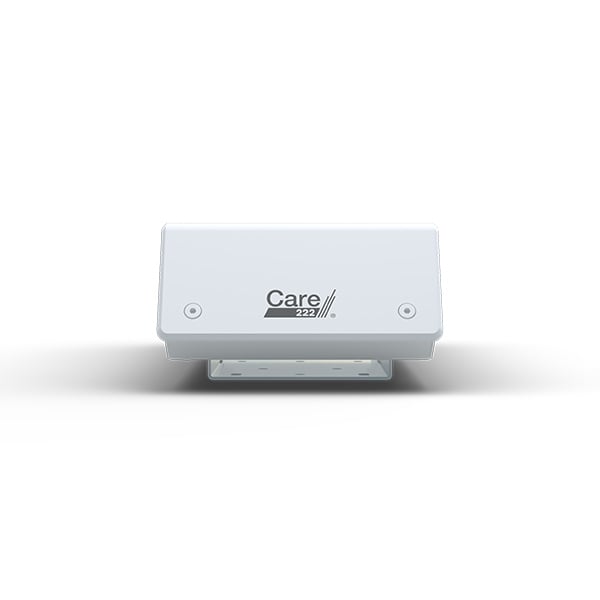
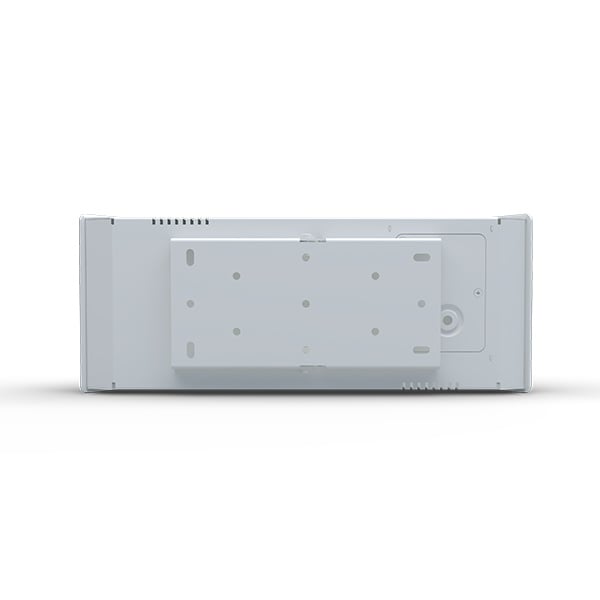
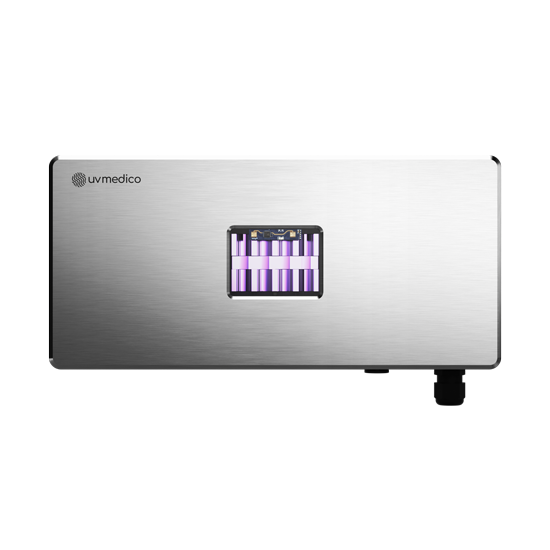
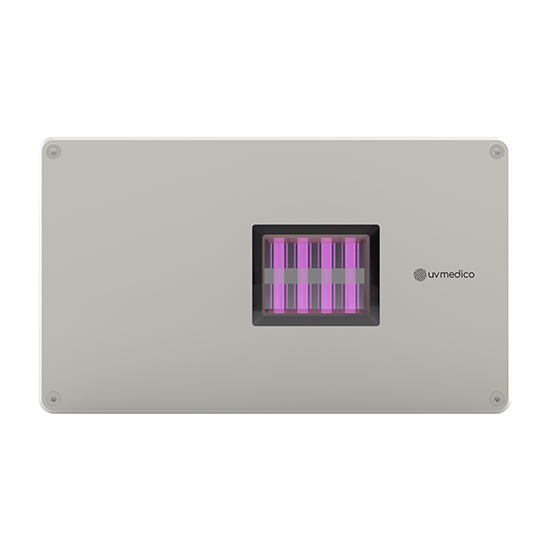
UV222™ is a filtered 222 nm far-UVC lamp designed for continuous use in occupied spaces. Developed and manufactured by UV Medico A/S in Denmark, it combines a mercury-free krypton chloride (KrCl) excimer lamp with an optical band-pass filter. UV222 operates while people are present, reducing airborne and surface bioburden throughout the day. Built-in motion and lidar distance sensors let the unit calculate its duty cycle, so exposure stays within the ACGIH TLV or ICNIRP limits, with no need to empty the room or schedule downtime.
Far-UVC at 222 nm inactivates a wide spectrum of susceptible microorganisms in air and on exposed surfaces, including bacteria, viruses, fungi, mold and bacterial spores, under defined exposure conditions. Laboratory studies have also shown inactivation of antibiotic-resistant bacteria such as MRSA.
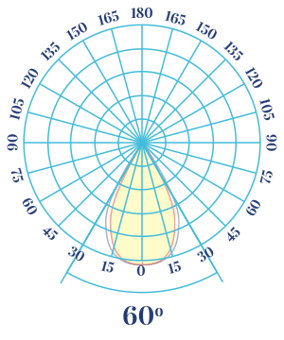
UV222 adds a continuous extra layer alongside established cleaning and ventilation. It is available in 60° and 100° beam versions, and each lamp is individually measured after production and delivered with its own specifications report. Every installation is designed with an installation-specific exposure assessment. UV222 is used in hospitals, dental clinics and other shared indoor spaces in over 30 countries.
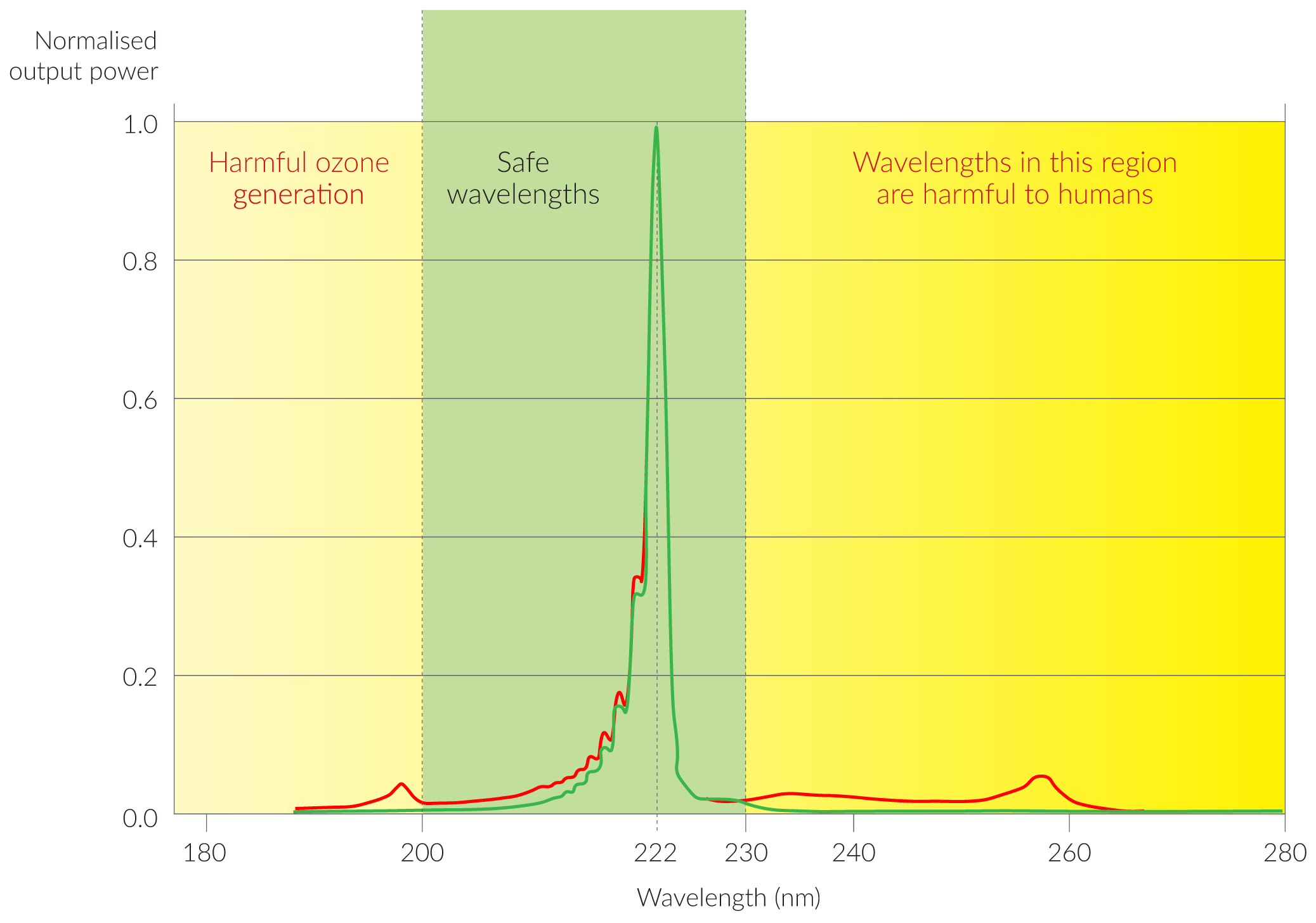
A krypton chloride excimer lamp peaks at 222 nm but also emits smaller amounts of light outside the far-UVC band. Some of it falls below 200 nm, where it can generate ozone. Some falls at 230–280 nm, where longer UVC wavelengths penetrate deeper into skin and eyes.
UV222's optical band-pass filter blocks these wavelengths, so the lamp's output is concentrated in the 200–230 nm far-UVC range. This filtered spectrum is what allows UV222 to be used continuously in occupied spaces within the ACGIH TLV or ICNIRP exposure limits.
See the filtered vs unfiltered spectrum under Specifications below.
| 60° beam angle | 100° beam angle | |
|
126.92 mW |
Output – total optical power flux, 200 nm – 850 nm |
75.72 mW |
|
120.79 mW |
Far UV-C 200 nm – 230 nm |
58.79 mW |
|
6.81 mW |
VIS-IR: 400 nm – 850 nm |
10.71 mW |
|
222 nm |
Peak emission wavelength |
222 nm |
|
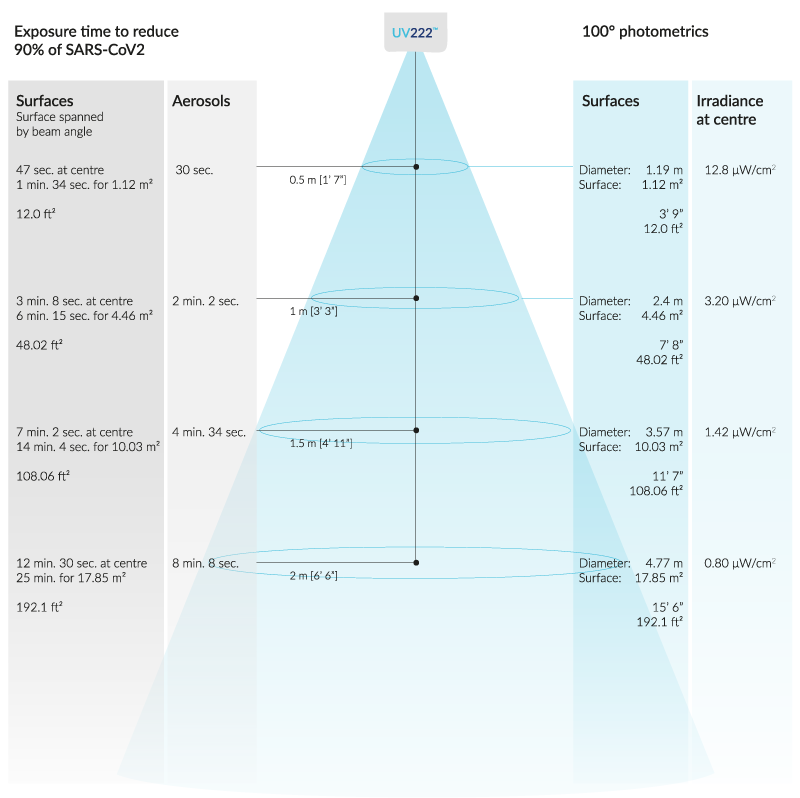
13.8 μW/cm2 |
UV (222 nm) irradiance at centre at 1 m (3’ 10”) |
3.2 μW/cm2 |
|
60° |
Beam angle |
100° |
* Example measurement from a production unit.


.png?width=800&height=798&name=COVID-exposure-60-deg%20(2).png)