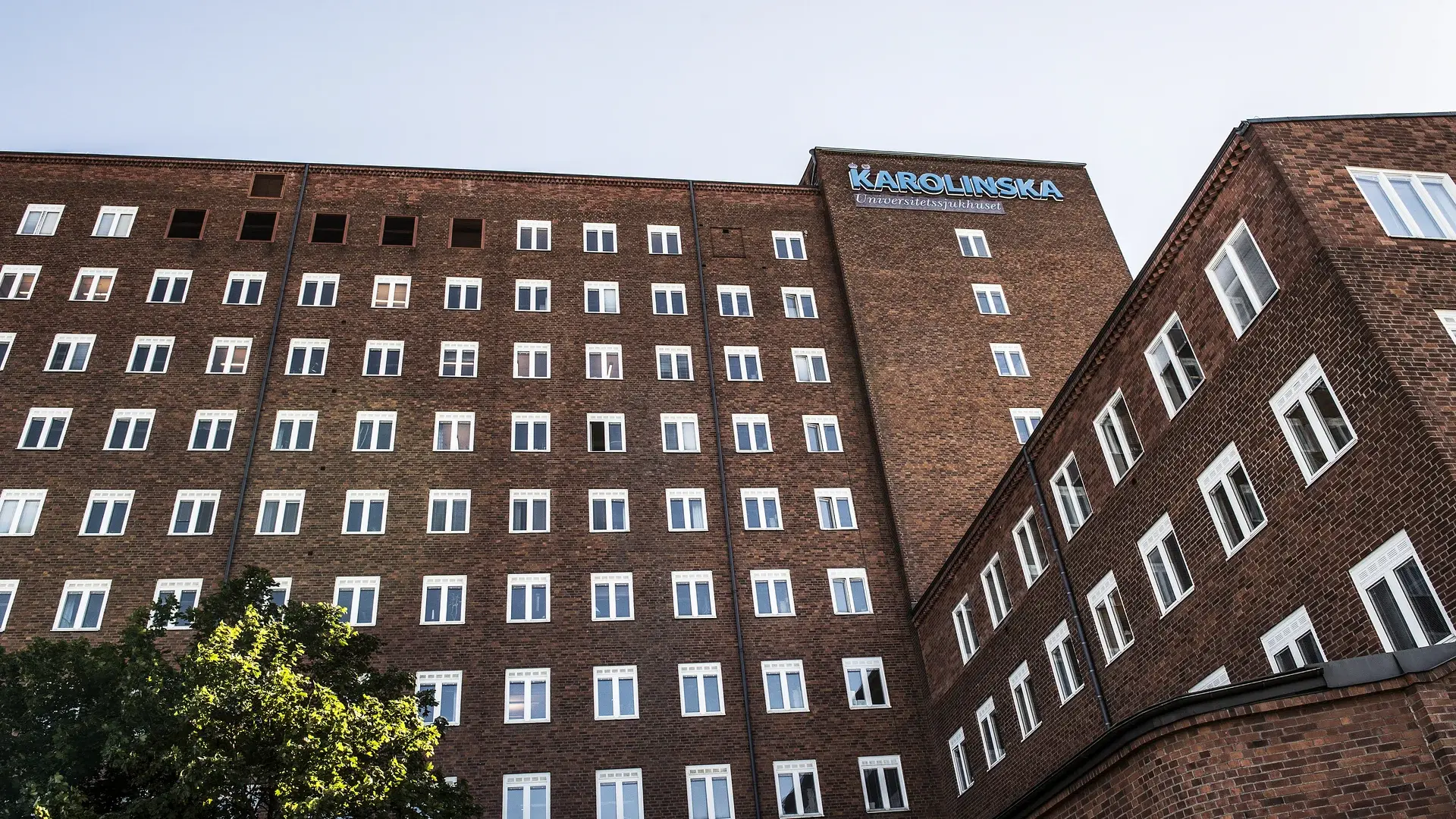
A full-area Far-UVC installation using UV Medico fixtures in all shared spaces at a Swedish palliative care ward was followed by a sharp and persistent drop in staff sick leave. In 2025 the ward reported 0.4% sick leave, compared with the regional average of about 6%. The installation and results were carried out and recorded in Sweden by our UV Medico Sweden and reported in Dagens Nyheter.
Location: AccessCare Palliative Ward, Gamla Karolinska, Sweden Installer: UV Medico Sweden Fixtures: UV Medico Far-UVC fixtures (222 nm) Year: 2025
The clinical and operational problem
Healthcare settings face persistent infection pressure from airborne and contact transmission. For infection prevention and control (IPC) teams, environmental services (EVS) and healthcare leadership, this translates into:
Increased healthcare-associated infections (HAI) risk and reduced patient safety;
Higher staff absenteeism and reduced operational continuity;
Cost pressure on staffing and clinical services;
Challenges meeting clinical governance and regulatory compliance goals.
What was done
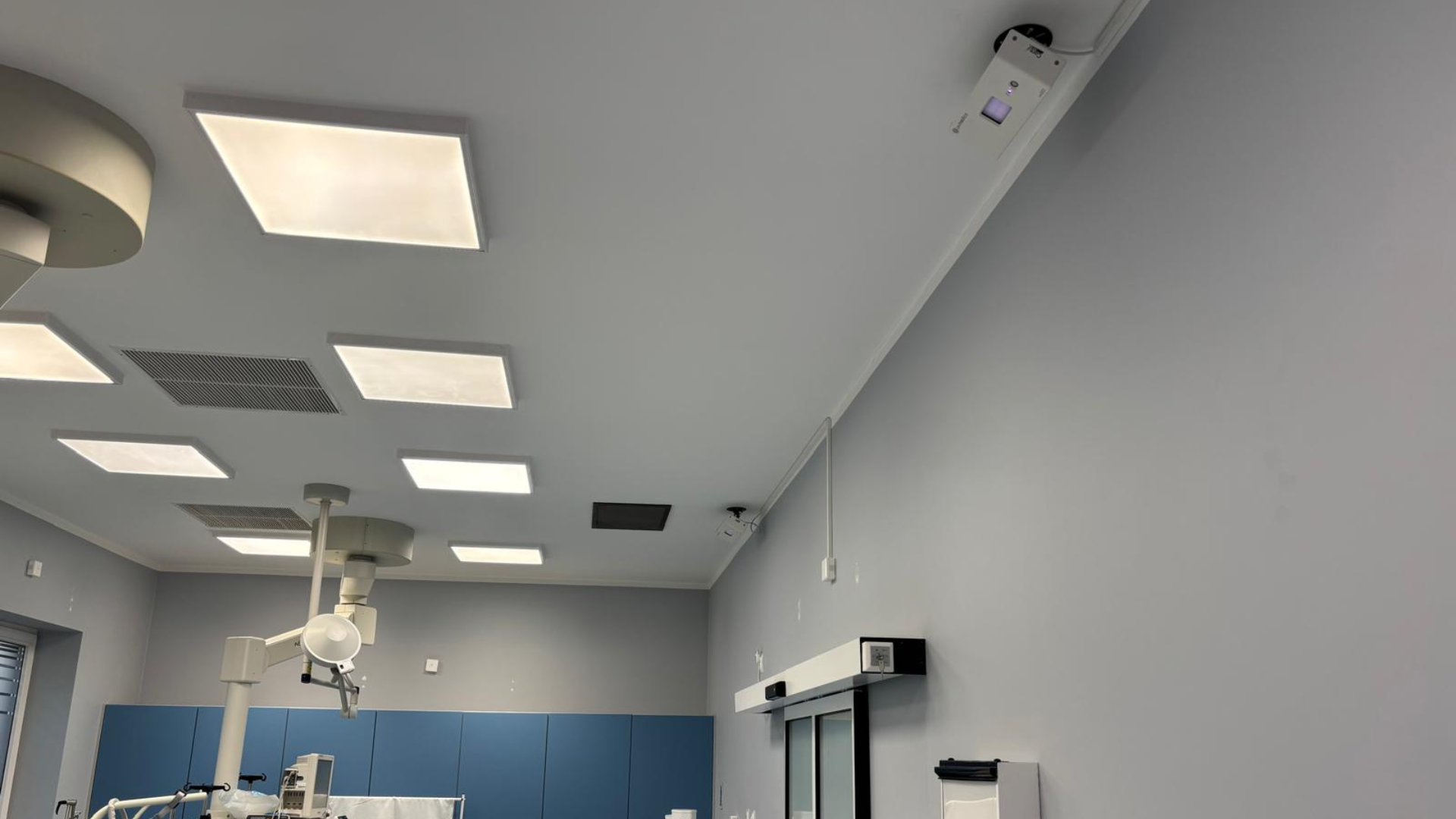
UV Medico Far-UVC fixtures (222 nm) were installed in all common areas of the AccessCare palliative ward at Gamla Karolinska.
Installation covered about 800 m² and served roughly 35 staff.
Results
Reported sick leave in 2025: 0.4% (ward)
Regional average: ≈ 6% Staff reported fewer absences, lower stress and a better working environment following the installation. These outcomes represent real-world evidence for reduced microbial burden and downstream benefits for occupational health and continuity of care.
How Far-UVC was used and why it matters
Far-UVC at 222 nm continuously inactivates viruses and bacteria in the air and on surfaces while spaces are occupied (when used within safety guidelines).
The technology does not replace basic hygiene routines or ventilation. It functions as an additional, continuous layer of microbial control.
By reducing the overall microbial load continuously, Far-UVC lowers the background level of infection — including between scheduled cleaning sessions — which reduces both airborne and contact transmission risk over time.
Energy and sustainability
Independent research from Chalmers University of Technology (Report ACE 2025:2) shows Far-UVC can reduce airborne infection risk with lower energy consumption than alternatives such as increased ventilation rates or large-scale air purification. This presents both operational and sustainability advantages.
Conclusion
A documented, real-world Far-UVC deployment in Sweden — using UV Medico fixtures and installed by UV Medico’s Swedish distributor — produced a large reduction in staff sick leave and measurable workplace improvements. The installation demonstrates that continuous, in-place Far-UVC can be a practical, energy-efficient layer of infection prevention in healthcare settings.
Sources: Dagens Nyheter (Sweden); Chalmers University of Technology, Report ACE 2025:2.
 UV222™
 UV222 Linear
 UV222 Downlight
 Vertex 222
.png) UV222 Pendant
UV222 Pendant.png) UV222 Booth
UV222 Booth.png) UV222 Step-On
UV222 Step-On.png) UV222 Cleanroom Downlight
UV222 Cleanroom Downlight UV222 Dual Downlight 60x60
 UV222 Material Airlock
 UV222 Ambulance
 UV222 Compact
 UV222 Industrial
 Insights
 Science
 Compliance
 UV Medico

 Mads Emil Bandholm : 25 Feb, 2026


.png)
.jpg?width=30&name=Julio%20Azevedo%20-%20Uv%20Medico%20(1).jpg)

.jpg?width=30&name=Untitled%20design%20(26).jpg)