.png)
.png)

.png)
.png)


.png)



 Insights
 Science
 Compliance
 Karoline Holst Lybecker
Pressure injuries remain a persistent challenge in modern healthcare, as they arise when patients are bedridden for longer time periods. These wounds are not only difficult to heal but are also highly prone to infections, often involving resistant bacteria and biofilm formation. Far-UVC offer a new way to address this challenge.
A recent clinical study from Taipei Medical University evaluated the use of Far-UVC in intensive care unit (ICU) for patients with pressure injuries [1]. The study demonstrated that treatment with Far-UVC significantly reduced microbial burden in the wounds and improved healing outcomes compared to standard care alone, indicating a potential role for Far-UVC as an intervention in improving the health for patients with pressure injuries.
Inside the Study
The study included 70 ICU patients with pressure injuries, randomly assigned to either standard care or standard care plus Far-UVC treatment.
Patients in the treatment group received Far-UVC irradiation directly onto the wound for one week.
The researchers then tracked two key things: how many bacteria were present in the wound, and how the wound developed over time. Compared to standard care alone, the Far-UVC group showed clear improvement:
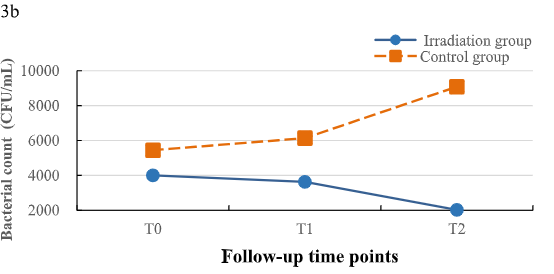
Far-UVC reduces bacterial load in wounds
From baseline (T0) to Day 15 (T2), CFU/mL levels dropped in the Far-UVC-treated group, while rising in the non-irradiated control. This demonstrates that Far-UVC limits bacterial buildup, a key barrier to wound healing.
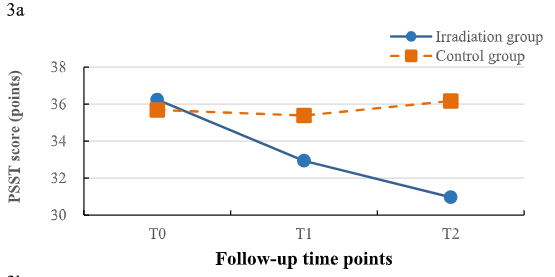
Far-UVC improves wound healing
From baseline (T0) to Day 15 (T2), PSST (Pressure Sore Status Tool) scores - a clinical measure of wound severity - decreased in the Far-UVC–treated group, while remaining largely unchanged in the control group. This indicates improved wound condition and progression toward healing in patients receiving Far-UVC.
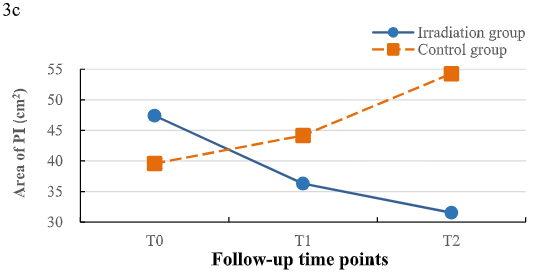
Far-UVC decreases pressure injury size
From baseline (T0) to Day 15 (T2), the area of the pressure injury (PI) decreased in the Far-UVC–treated group, while worsening in the control group. This indicates that Far-UVC helps reduce wound size over time, supporting the overall healing process.
No adverse effects were observed
Importantly, no adverse effects were observed: No burns, no erythema and no irritation of the skin. This reinforces the growing consensus that Far-UVC is safe for clinical use on skin and wounds when applied according to the safety guideline standard.
Results showed that Far-UVC reduced bacterial load and supported wound healing in pressure injuries, highlighting its potential as a treatment approach.
Expanding the role of Far-UVC in healthcare
Far-UVC is currently primarily used for whole-room disinfection in critical environments such as operating rooms and patient waiting areas. However, this study points to an expanded potential in the healthcare setting: using Far-UVC not only to disinfect spaces, but as a direct, localized tool in wound care.
Far-UVC is already known to inactivate a broad range of clinically relevant pathogens, including antibiotic-resistant species such as Staphylococcus aureus (MRSA), Enterococcus (VRE), Klebsiella pneumonia (CRKP), Pseudomonas aeruginosa (CRPA) [2]. This is particularly important in pressure injuries, where persistent bacterial contamination and biofilm formation are major barriers to healing.
By reducing microbial burden directly at the wound site, Far-UVC may help limit infection risk, reduce inflammation, and create more favorable conditions for healing. In practice, this could support faster recovery, reduce complications, and potentially ease the clinical burden associated with managing chronic and infected wounds.
References
1. Tsai, Y.T., et al., Application of 222-nm ultraviolet radiation C device to heal wounds and control infections in pressure injuries in intensive care unit patients: a randomized controlled trial. Intensive Crit Care Nurs, 2026. 92: p. 104162.
2. Huang, J.R., et al., Far-UVC light (222 nm) efficiently inactivates clinically significant antibiotic-resistant bacteria on diverse material surfaces. Microbiol Spectr, 2024. 12(12): p. e0425123.