Maintaining microbial control in cleanroom and controlled environments is a continuous challenge. Cleaning and disinfection are essential, yet contamination pressure reoccurs through personnel activity, airflow dynamics, and routine operations.
To address this, Micro CRISPR conducted a GMP cleanroom demonstration of 222 nm Far-UVC (UV222) at its facility. The objective was to evaluate whether continuous UV222 exposure could achieve measurable bioburden reduction during active cleanroom operation while maintaining safe and compliant conditions.
Their findings were:
Continuous operation throughout normal occupancy, with no interruption to cleanroom workflow
No ozone excursions detected in the breathing zone
No visible material degradation over the study period
Environmental monitoring continued under the site's existing SOP, with all counts within Grade C limits
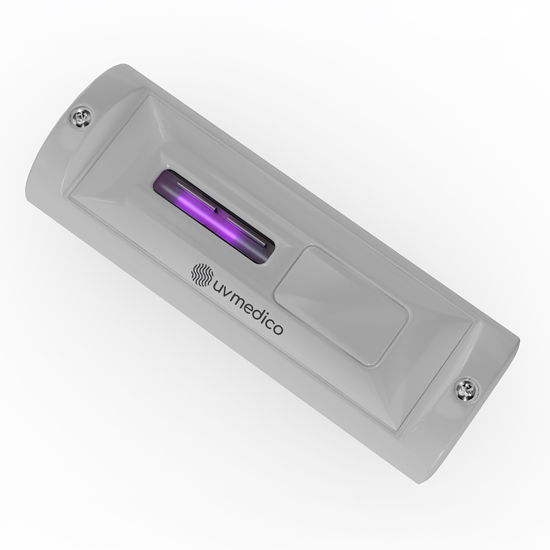
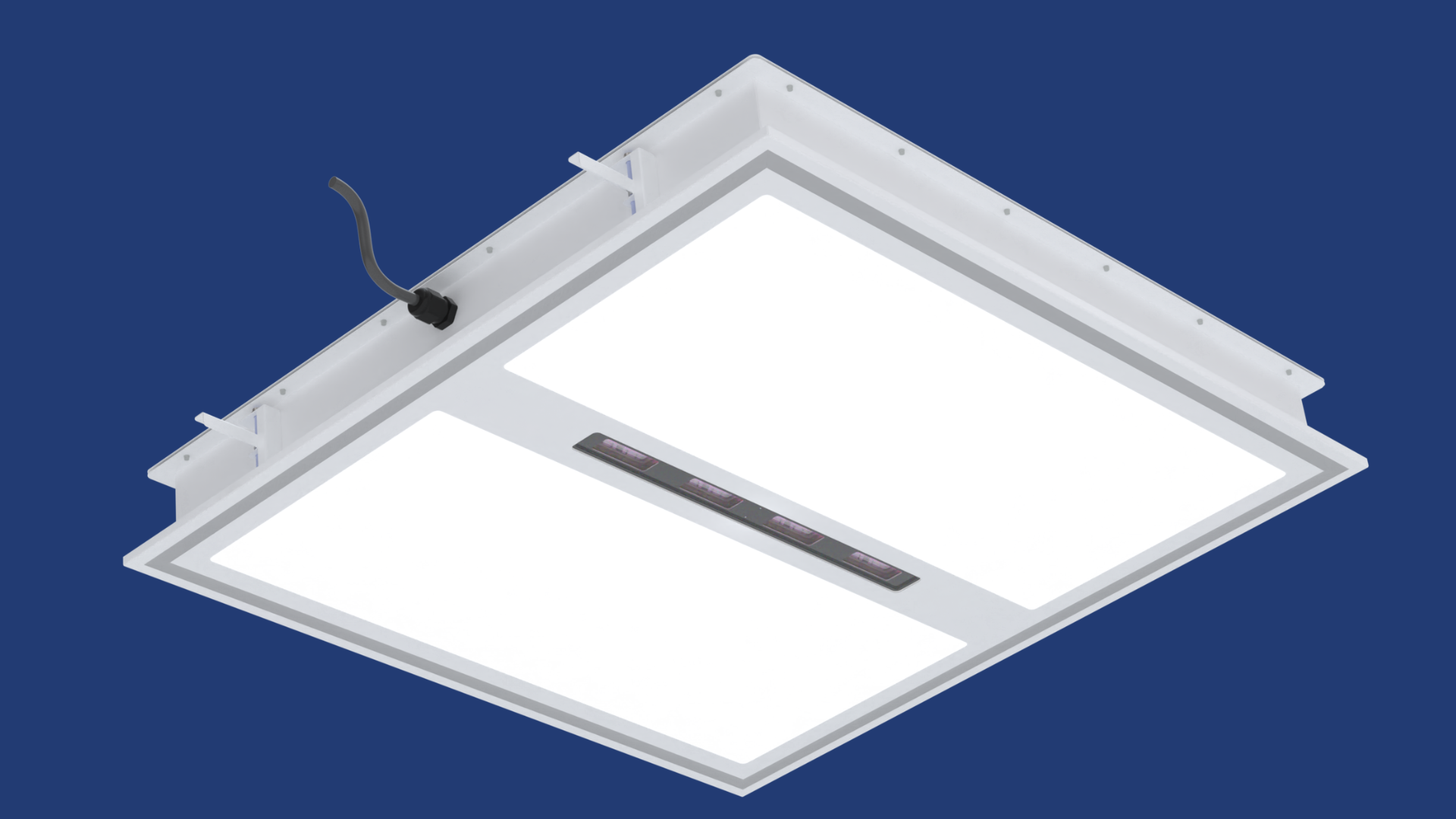
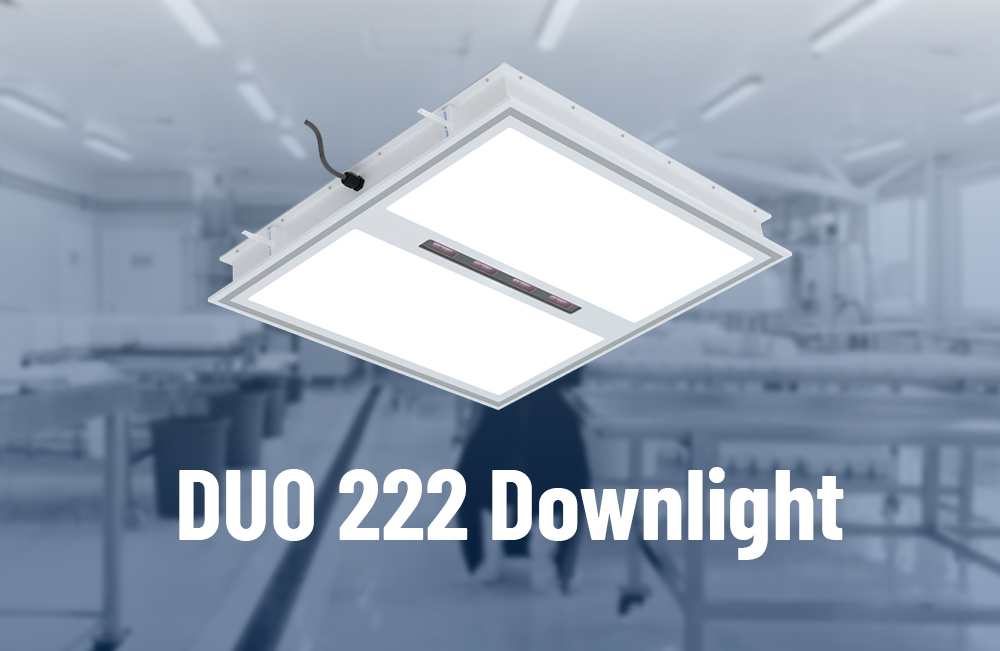
The results were consistent with Grade C environmental limits and demonstrate that UV222 Cleanroom Downlight installation can support cleanroom bioburden reduction during normal operation.
Test Design and Outcomes
The Micro CRISPR evaluation followed a controlled, three-phase protocol using settle plates positioned at critical cleanroom locations. A settle plate consists of an agar surface exposed for four hours, allowing airborne bacteria and fungi to deposit. Following incubation, colony-forming units (CFU) are counted to quantify viable microbial contamination.
The study was structured as follows:
Phase 1 – Baseline (UV Off)
Phase 2 – UV222 Active (UV On)
Phase 3 – Return to Baseline (UV Off)
During UV222 operation, bacterial counts decreased from 42 CFU to 16 CFU, corresponding to a 62% reduction in bacterial load.
Microbial Reduction Without Introducing Secondary Risk
Beyond demonstrating a substantial reduction in bioburden, Micro CRISPR evaluated the technology against key operational and safety parameters:
The reduction was achieved during normal occupancy, not during an unoccupied terminal disinfection cycle. This reflects the feasibility of continuous use enabled by the safety profile of UV222.
Ozone levels were monitored in the breathing zone throughout operation. No ozone excursions were detected.
Surrounding materials were inspected for potential degradation. No visible material impact was observed during the study period.
Microbial sampling was conducted in accordance with the site’s standard operating procedure (SOP).
Why UV222
UV222 (222 nm ultraviolet light), also referred to as Far-UVC, is designed to reduce microbial burden in occupied environments.
Unlike conventional 254 nm UVC systems, which are typically restricted to unoccupied disinfection cycles, 222 nm Far-UVC is applied for continuous microbial reduction in air and on surfaces without interrupting facility operations.
For contamination control specialists, the relevant question is not whether UV can disinfect surfaces under controlled laboratory conditions. The practical consideration is whether the technology can support cleanroom performance under operating conditions. UV222 is designed to reduce microbial burden while remaining aligned with environmental monitoring practices, as demonstrated in the Micro CRISPR evaluation.
The UV222 evaluation at MicroCrispr demonstrates that UV222 Cleanroom Downlight can operate continuously in a working GMP cleanroom as an additional contamination control measure.
As cleanliness requirements and contamination control expectations continue to increase, UV222 represents a technical option for strengthening hygiene and environmental robustness without disrupting the cleanroom workflow.
.png)
.png)

.png)
.png)


.png)


 Insights
 Science
 Compliance
 Mads Emil Bandholm
.jpg?width=30&name=Julio%20Azevedo%20-%20Uv%20Medico%20(1).jpg) Julio Azevedo : 11 Mar, 2024
Julio Azevedo : 11 Mar, 2024




.jpg)

.jpg)