When an operating theatre, ambulance bay or cleanroom transfer point cannot pause for manual cleaning, microbial control has to work within the live environment. That is where Far-UVC systems have changed the conversation. Rather than treating decontamination as an intermittent task between people, patients or materials, Far-UVC systems are designed to support continuous contamination control while spaces remain in use.
This shift matters because many high-risk environments are limited less by awareness than by operational reality. Healthcare teams cannot stop patient flow every time risk increases. Cleanroom operators cannot introduce repeated workflow interruptions without affecting throughput. Ambulance services cannot absorb long turnaround delays and still meet response demands. In each case, the challenge is the same - reduce airborne and surface contamination in occupied or active settings without creating friction for the people responsible for uptime, safety and compliance.
What Far-UVC systems are designed to solve
Far-UVC systems are not simply another layer of room treatment. In professional settings, they are deployed to address a specific gap between manual protocols and continuous risk exposure. Routine cleaning remains necessary, but it is periodic. Air handling is essential, but ventilation effectiveness depends on room design, air changes, occupancy and local airflow patterns. Far-UVC adds a continuous decontamination layer that can operate during normal use when the system is correctly engineered and applied.
For institutional buyers, that distinction is commercially important. The value is not only microbial reduction. It is also fewer workflow interruptions, less dependence on perfectly timed intervention, and a more consistent decontamination strategy across variable operating conditions. In practice, this is why Far-UVC is being considered in patient areas, triage spaces, corridors, waiting areas, ambulances, gowning points, material transfer zones and other settings where occupancy and movement are constant.
How Far-UVC systems fit into regulated environments
The most effective installations are application-specific rather than generic. A downlight in a circulation area solves a different problem from a ceiling-integrated fixture over a treatment zone or a dedicated unit inside an ambulance compartment. Likewise, a cleanroom booth or material airlock requires a different design logic from a waiting room or reception area.
This is where specification discipline matters. In regulated and hygiene-critical environments, buyers are not choosing a technology category in the abstract. They are choosing a system architecture that must align with room geometry, occupancy pattern, existing HVAC, target contamination pathway and relevant exposure limits. A poor fit can lead to underperformance, unnecessary complexity or difficult compliance conversations later in the procurement cycle.
A clinically sound Far-UVC deployment therefore starts with use case definition. Is the primary concern airborne transmission in an occupied healthcare area? Is it environmental bioburden during personnel movement in a controlled production setting? Is rapid turnaround inside emergency transport the key driver? The answer influences fixture format, mounting position, irradiance profile and validation approach.
Airborne and surface pathways both matter
One common mistake is to frame Far-UVC only as an air solution. Airborne control is often central, particularly in shared indoor environments, but real operating spaces rarely separate air and surface risk so neatly. Particles settle. Hands and equipment move contamination between zones. Traffic patterns can undermine the benefit of otherwise strong manual protocols.
Well-designed Far-UVC systems can support a broader decontamination strategy by addressing both airborne burden and exposed surfaces within the intended treatment field. The practical impact depends on application design, shadowing, material layout and occupancy. That is why performance claims should always be read in context. A laboratory result and a live clinical room are not the same environment.
Why continuous decontamination changes the business case
Infection prevention and microbial control programmes often carry hidden operational costs. Terminal cleaning takes time. Manual interventions depend on staff availability and adherence. Process bottlenecks appear at precisely the points where hygiene control is most critical - transfers, entries, exits, turnaround intervals and high-touch zones.
Far-UVC systems change the economics because they are intended to reduce contamination pressure continuously rather than episodically. For healthcare providers, this may support safer occupied spaces without taking rooms out of service. For ambulance operators, it can help improve readiness by reducing the need for additional downtime between deployments. For cleanroom and life-science teams, it can strengthen contamination control while preserving movement of personnel and materials.
That said, the business case is not universal. It depends on baseline risk, occupancy profile, environmental controls already in place and the cost of disruption in that specific setting. In some spaces, the strongest return comes from protecting throughput. In others, it comes from reducing exposure risk where vulnerable populations or critical processes are involved. The most credible suppliers will acknowledge these differences rather than suggesting one model fits every room.
What buyers should assess before specifying Far-UVC systems
A serious evaluation goes beyond headline efficacy. Institutional buyers need to understand how the system performs under real constraints and how it will be governed after installation. Safety, compliance and maintainability are not secondary considerations. In high-trust environments, they are part of product performance.
First, assess whether the supplier has designed around 222 nm Far-UVC with a clear understanding of application-specific deployment. The wavelength alone does not guarantee an effective result. Optics, fixture design, installation height, room layout and treatment objective all influence delivered performance.
Second, review how the system supports compliance. Buyers should expect technical documentation, exposure guidance, installation parameters and a clear explanation of the operating envelope. In healthcare and life-science settings, procurement teams will also want confidence that the supplier can engage credibly with infection prevention, estates, EHS and validation stakeholders.
Third, consider integration into daily operations. The best Far-UVC systems are the ones staff do not have to work around. If a solution creates new handling steps, blocks movement or depends on ideal user behaviour, its real-world value may erode quickly. Productised systems designed for ceilings, pendants, transfer points or vehicle interiors typically perform better organisationally because they are built around the environment, not added as an afterthought.
Environment-specific design is the difference between promise and performance
A hospital ward, a pharmaceutical gowning area and an emergency vehicle may all benefit from continuous decontamination, but they should not receive the same system by default. Each environment presents distinct airflow, line-of-sight, occupancy and cleaning constraints. Buyers should therefore prioritise suppliers that can translate Far-UVC science into fit-for-purpose hardware.
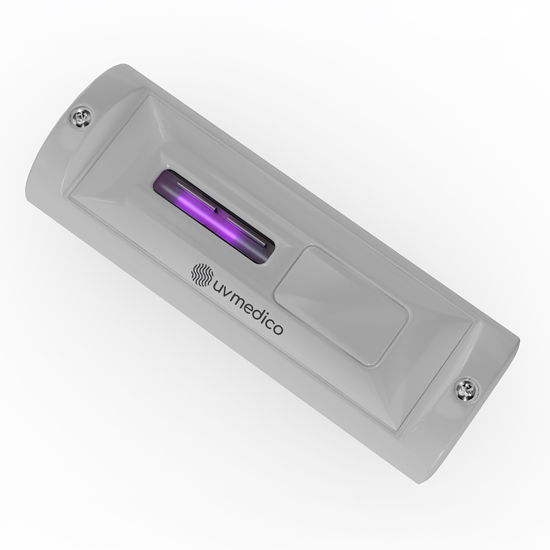
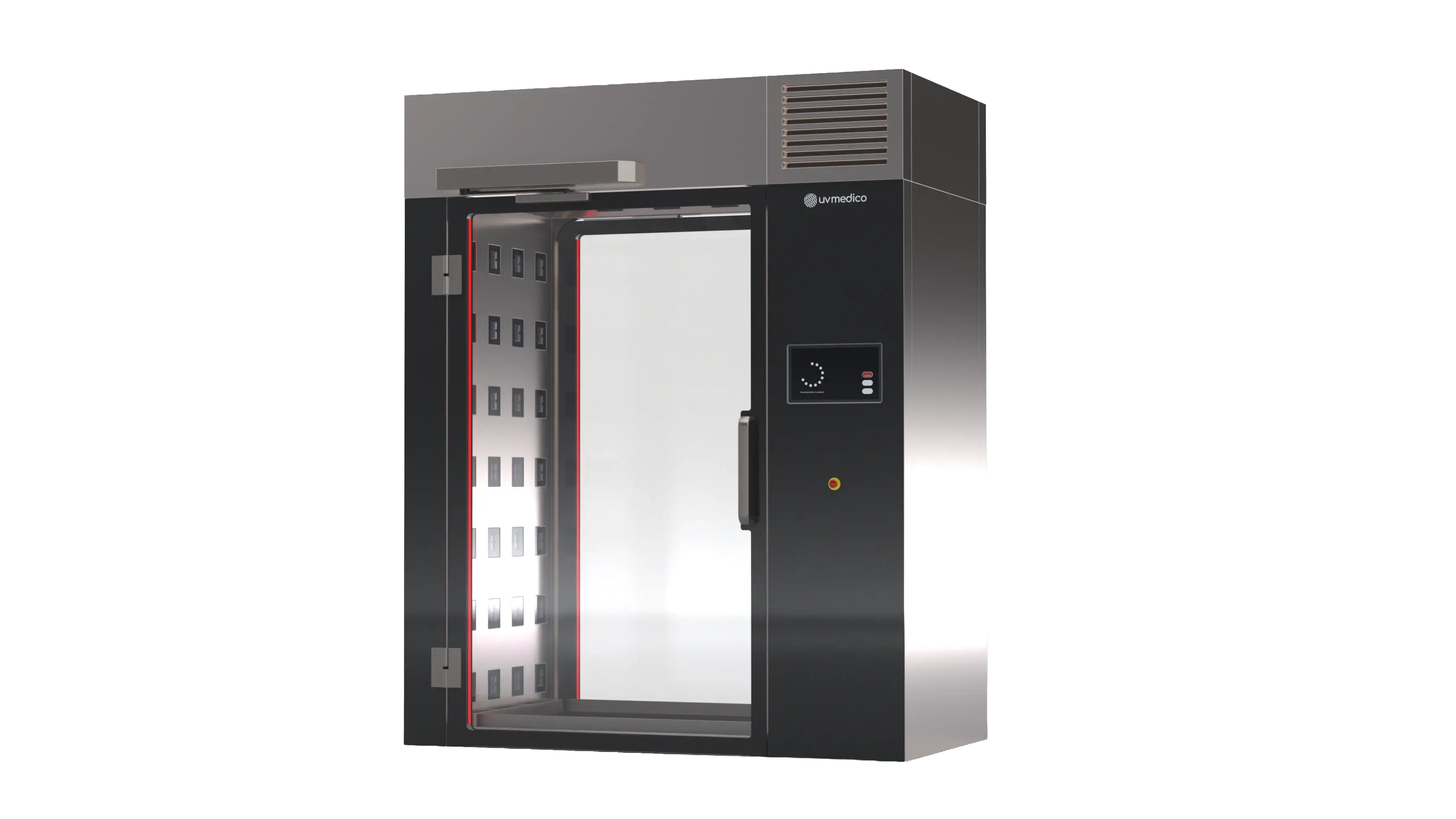
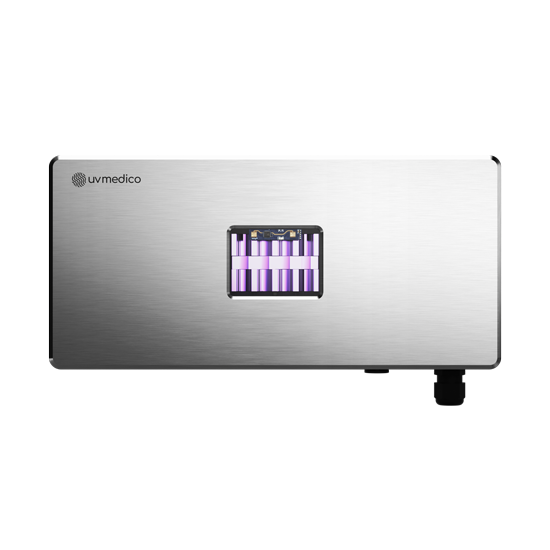
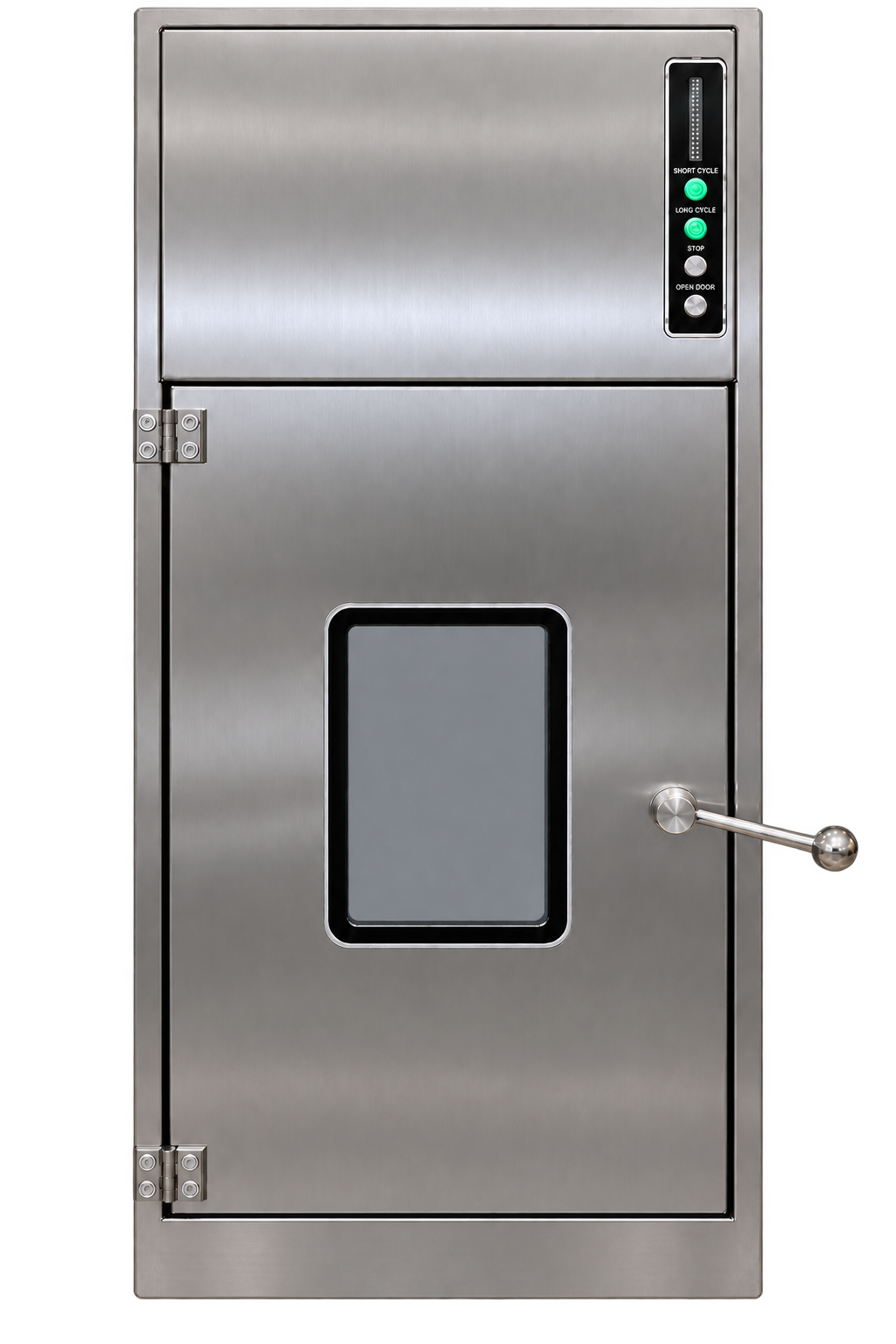
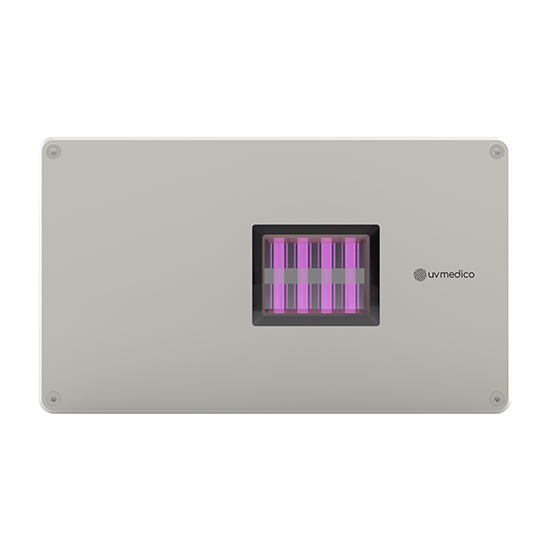
This is one of the clearest distinctions in the market. Some vendors sell a light source. Category leaders develop Far-UVC systems as application-ready platforms - integrated fixtures, pendants, linear formats, ambulance-specific units and controlled-space solutions that correspond to actual operational problems. UV Medico has positioned itself in that latter group, where the product architecture reflects the demands of mission-critical settings rather than broad consumer-style claims.
Where Far-UVC systems deliver the most value
Healthcare is an obvious use case, but not the only one. Any environment balancing contamination risk with continuous activity is a candidate for Far-UVC deployment. Patient-facing spaces benefit because occupancy is unpredictable and vulnerable individuals are present. Cleanrooms and life-science production areas benefit because contamination control failures can damage yield, quality and compliance. Transport environments benefit because turnaround speed is operationally decisive.
Indoor air quality applications also deserve attention. Many commercial and institutional buildings now recognise that air hygiene is not just a comfort issue. It is part of workforce resilience, public confidence and environmental risk management. Far-UVC can be relevant here, particularly in spaces where occupancy density or transient footfall makes periodic intervention inadequate. The right use case, however, still depends on practical design and measurable objectives.
The broader point is that Far-UVC is most valuable where contamination control cannot rely on empty-room treatment alone. If the risk exists while people, equipment or materials are moving, the decontamination method has to keep pace with that reality.
The strategic role of Far-UVC systems
Far-UVC should not be framed as a replacement for cleaning protocols, ventilation or infection prevention governance. It works best as part of a layered control strategy. That is precisely why it is gaining traction among serious buyers. It addresses a live operational problem that other controls often leave partially exposed - continuous risk during continuous use.
For decision-makers, the question is no longer whether decontamination matters. The question is whether the current system of controls is active enough, often enough, in the spaces that matter most. Far-UVC offers a practical answer when manual processes and intermittent measures are not sufficient on their own.
The most useful next step is not to ask whether a building needs Far-UVC everywhere. It is to identify the spaces where contamination pressure, occupancy and operational continuity collide - and design from there.
.png)
.png)

.png)
.png)


.png)


 Insights
 Science
 Compliance
 UV Medico




.jpg)
.jpg)