







Far-UVC at a glance
- Wavelength: filtered 222 nm, within the 200–230 nm far-UVC band
- How it works: damages DNA, RNA and proteins, so microorganisms cannot replicate or repair
- Spectrum: bacteria (including MRSA and VRE), spores, fungi (including Candida auris) and viruses
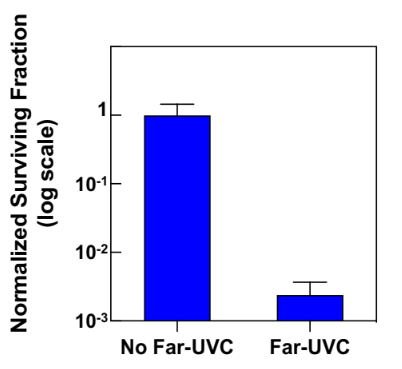
- Air: 99.8% reduction of airborne infectious virus in an occupied room (Buonanno et al., 2024)
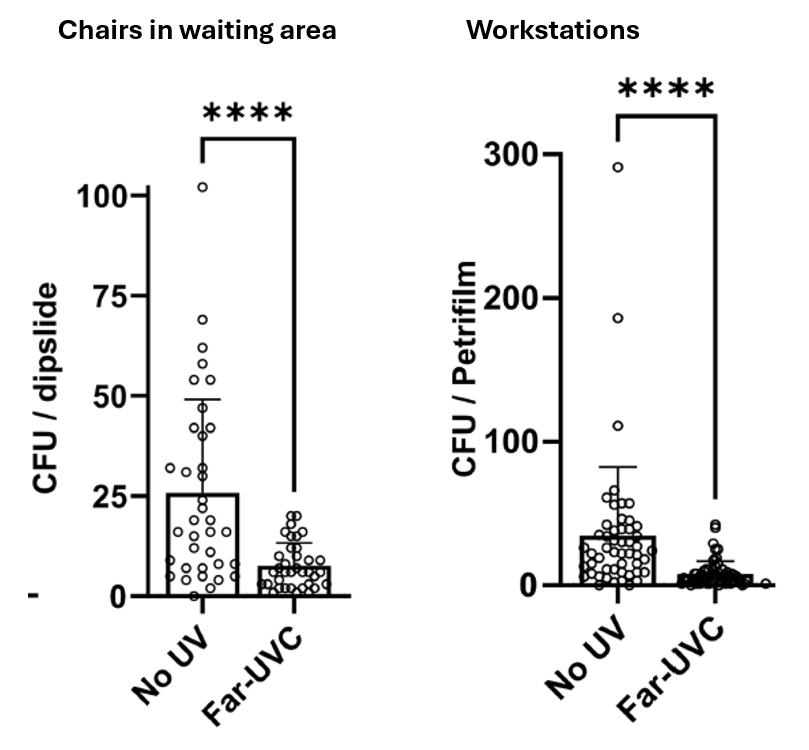
- Surfaces: 70–77% less bacterial contamination on high-touch surfaces in two hospitals (Mogensen et al., 2025)
- People present: absorbed in the outer, non-living layers of skin and eyes; no skin or eye damage reported within ACGIH / ICNIRP limits
- Exposure limits (8 h, ACGIH 2022): 161 mJ/cm² eye, 479 mJ/cm² skin; configurable to local TLVs, including ICNIRP
- Lamp: mercury-free, 17,500-hour rated life, CE marked
Far-UVC basics
What is far-UVC?
Short answer: Far-UVC is ultraviolet light between 200 and 230 nm, the short end of the germicidal UV-C band. Filtered far-UVC at 222 nm inactivates bacteria, viruses and fungi in the air and on exposed surfaces, and can be used in occupied rooms within ACGIH / ICNIRP exposure limits.
Unlike conventional methods, which are intermittent, manual or restricted to unoccupied spaces, far-UVC enables continuous, automated reduction of both airborne and surface pathogens while people are present. This shifts infection control from periodic intervention to persistent management of environmental contamination.
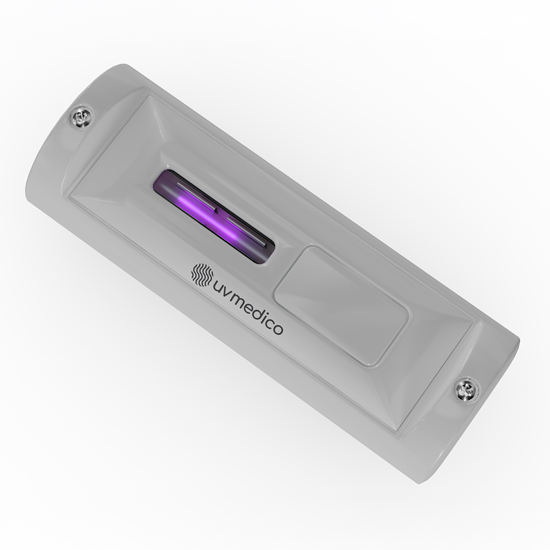
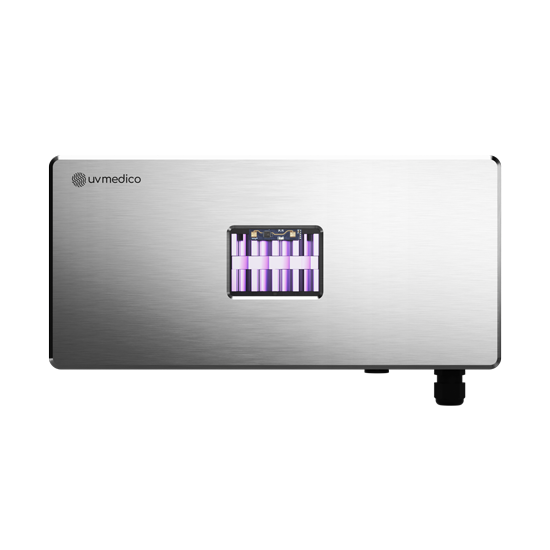
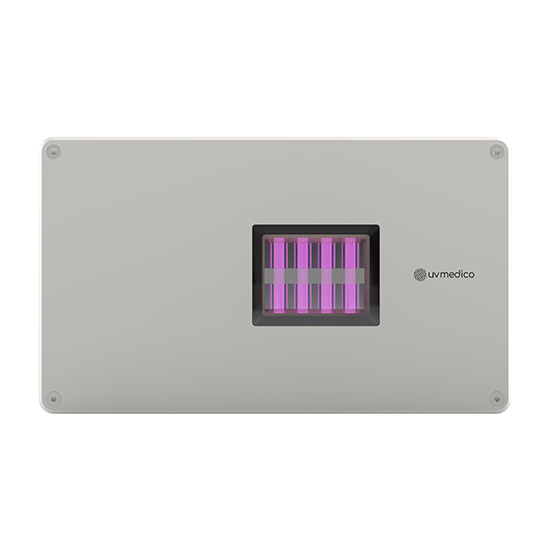
UV Medico's UV222™ systems use krypton-chloride (KrCl) excimer lamps with an integral optical filter that isolates the 222 nm wavelength.
How does far-UVC inactivate microorganisms?
Short answer: 222 nm light is strongly absorbed by DNA, RNA and proteins. It damages the genetic material microorganisms need to replicate and the proteins they need to function and repair themselves.
- DNA and RNA: photochemical damage, such as cyclobutane pyrimidine dimers (CPDs), alters the structure of the genetic material and prevents the cell or virus from correctly copying it, ultimately preventing growth and reproduction.
- Proteins: far-UVC alters proteins involved in enzymatic activity, structural integrity, repair of damage and, in viruses, host cell recognition and entry. In coronaviruses such as SARS-CoV-2, far-UVC can damage the spike proteins the virus uses to bind to and enter human cells.
Because this mechanism targets fundamental molecular components, it limits microbial repair and remains effective regardless of antimicrobial resistance.
How is 222 nm far-UVC different from conventional 254 nm UV-C?
Short answer: Both inactivate microorganisms, but 254 nm penetrates living tissue and must only be used in empty rooms. 222 nm is absorbed in the outermost, non-living layers of skin and eyes, so it can be used with people present within exposure limits.
Far-UVC at 222 nm is strongly absorbed by both DNA and proteins, whereas conventional 254 nm UV-C is absorbed predominantly by DNA. Proteins are highly abundant in the outermost layers of the skin and eyes, so 222 nm is attenuated before it can reach the deeper layers where living cells reside.
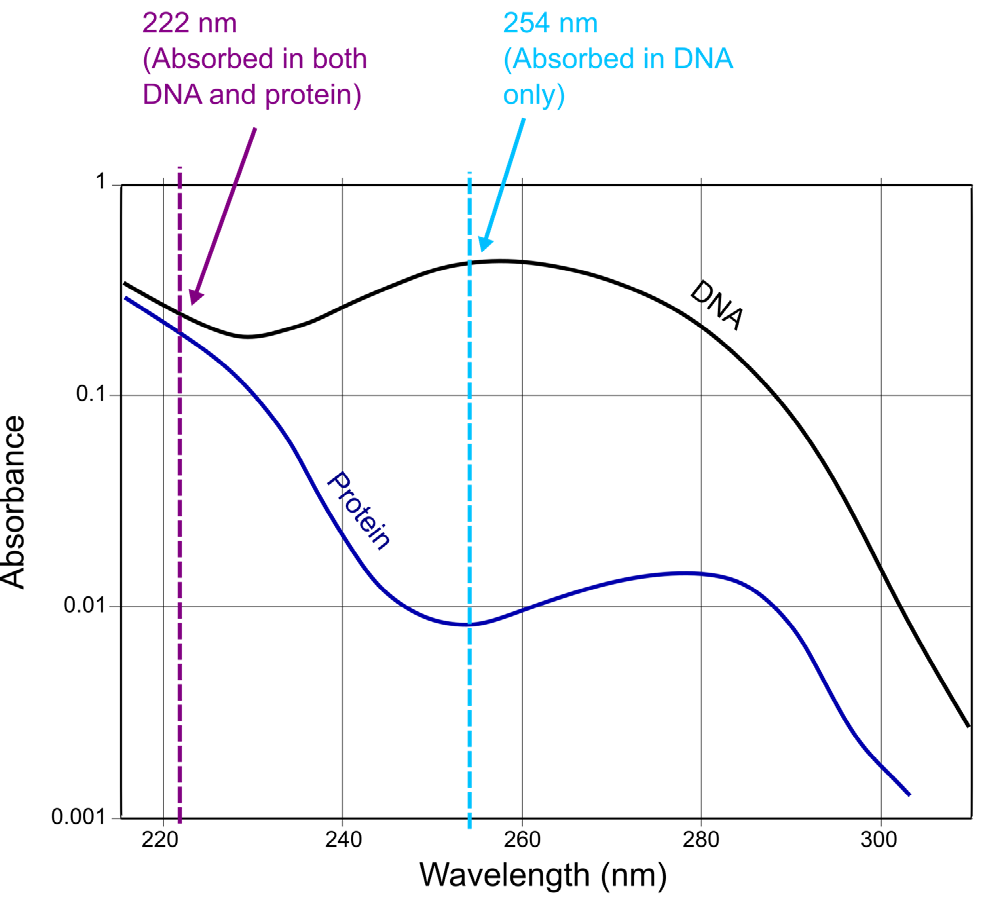
On efficacy, a meta-analysis found that 222 nm provides comparable, and in many cases superior, antimicrobial efficacy to 254 nm, with approximately 1.38 times higher disinfection efficacy across the included studies (Liu et al., 2025).
Why does the optical filter matter?
Short answer: Unfiltered krypton-chloride lamps also emit small amounts of longer UV-C wavelengths that penetrate deeper into skin and eyes. These emissions can dominate the biological risk, so filtering determines how much 222 nm light a lamp can deliver within exposure limits.
Unfiltered excimer lamps produce secondary emissions around 235 nm and 250 nm. Because the hazard weighting strongly penalises longer UV-C wavelengths, the effective exposure limit for a real lamp can be much lower than the nominal 222 nm limit if the lamp has significant out-of-band emission. Example calculations (ACGIH TLV 2022):
| Maximum 8-hour dose | UV222™ (filtered) | Unfiltered lamp |
|---|---|---|
| Eyes | ~154 mJ/cm² | ~42.5 mJ/cm² |
| Skin | ~460 mJ/cm² | ~99.5 mJ/cm² |
In practice, a filtered UV222™ lamp can deliver roughly 3–5 times more 222 nm light within the same 8-hour exposure limit than an unfiltered lamp.
Can microorganisms become resistant to far-UVC?
Short answer: No acquired resistance to 222 nm has been demonstrated.
Unlike antibiotics, which target specific biochemical pathways, far-UVC inactivates microorganisms through direct damage to nucleic acids and proteins. Antibiotic-resistant bacteria are therefore not more tolerant to far-UVC than their non-resistant counterparts, and resistance of the kind seen with antibiotics is not expected. Susceptibility does vary between organisms: bacterial spores and some fungi need higher doses.
Does far-UVC pass through glass, plastic or water?
Short answer: No, practically not. Far-UVC works by line of sight and is absorbed by most materials, so shadowed or covered surfaces are not treated.
Transmission through toughened glass and hard plastics is virtually zero (below 0.1% even for thin glass). Very thin, soft PE or PP films (under 0.01 mm) let some light through. Water also absorbs far-UVC: in UV Medico tests, tap water absorbed about half of it within 5–10 cm.
Can you see far-UVC light?
Short answer: No. Far-UVC is invisible to the human eye.
The lamp's light source gives off a faint purple glow when it is on, but that visible glow is not the far-UVC itself.
Efficacy against bacteria, viruses and fungi
Which microorganisms does far-UVC inactivate?
Short answer: 222 nm far-UVC inactivates a broad range of bacteria, bacterial spores, fungi and viruses, including antibiotic-resistant organisms.
Narita et al., 2020 showed that 222 nm inactivates pathogens relevant to healthcare environments, including:
- Bacteria: MRSA, Escherichia coli, Pseudomonas aeruginosa, Salmonella enterica, Campylobacter jejuni
- Bacterial endospores: Clostridioides difficile, Bacillus cereus, Clostridium sporogenes
- Fungi: Candida albicans, Aspergillus niger, Trichophyton rubrum
- Viruses: influenza A, feline calicivirus (a surrogate for norovirus)
Many bacterial and viral species were reduced to undetectable levels at relatively low doses. 222 nm showed strong efficacy against bacterial endospores, in some cases exceeding conventional 254 nm UV-C. Fungal spores and hyphae were more resistant. See all studies in the research library.
What dose of far-UVC is needed, and how is dose different from intensity?
Short answer: It depends on the microorganism. Airborne viruses are inactivated at a few mJ/cm², bacteria on surfaces at around 10–15 mJ/cm², and fungi and spores need higher doses or longer exposure.
Intensity (irradiance, E) is how much far-UVC power reaches a surface at a given moment, in µW/cm². Dose (radiant exposure, H) is irradiance multiplied by time: H = E × t, usually written in mJ/cm². Irradiance falls with distance from the lamp, so dose depends on placement, distance and exposure time. Examples from peer-reviewed studies:
| Microorganism | 222 nm dose | Result | Study |
|---|---|---|---|
| Human coronaviruses (airborne) | 1.2–1.7 mJ/cm² | 99.9% inactivated | Buonanno et al., 2020 |
| Influenza A H1N1 (airborne) | 2 mJ/cm² | >95% inactivated | Welch et al., 2018 |
| MRSA on mobile phones | 9 / 15 mJ/cm² | 2.91 / 3.95 log reduction | Kaiki et al., 2021 |
| Candida albicans, C. parapsilosis | ≥20 / 40 mJ/cm² | Clear reduction / near-complete inactivation | Schleusener et al., 2023 |
| Common mold (Penicillium) | 10–25 / 50–100 mJ/cm² per day | Markedly reduced / no visible growth | Mogensen & Holm, 2024 |
| C. difficile spores | 24 h automated exposure | ≥2 log at several sites | Kaple et al., 2024 |
Close to a lamp it can take seconds: at 5 cm from a UV222 lamp, about 5 mJ/cm² is reached in around 2.5 seconds. In a room, UV222 delivers low doses continuously, so microorganisms are reduced steadily and do not build up between cleaning cycles.
What does a log reduction mean?
Short answer: A log reduction describes how much a microbial population is reduced on a logarithmic scale: 1-log = 90%, 2-log = 99%, 3-log = 99.9%.
In the surface disinfection market, the US EPA defines specific terms: sanitisation is a 99.9% reduction (3-log), disinfection 99.999% (5-log) and sterilisation 99.9999% (6-log). The EPA currently does not have a comparable set of guidelines or acceptable testing procedures for air disinfection.
Does far-UVC work against antibiotic-resistant bacteria such as MRSA?
Short answer: Yes. Far-UVC has been shown to be equally effective against susceptible and multidrug-resistant organisms, including MRSA and VRE.
Huang et al., 2024 tested clinically isolated MRSA, VRE and carbapenem-resistant E. coli, Klebsiella pneumoniae, Acinetobacter baumannii and Pseudomonas aeruginosa on high-touch materials. Reductions of ≥3-log (99.9%) were achieved on non-porous surfaces, with complete inactivation at higher doses. Efficacy was lower on porous materials, but increased exposure restored full disinfection.
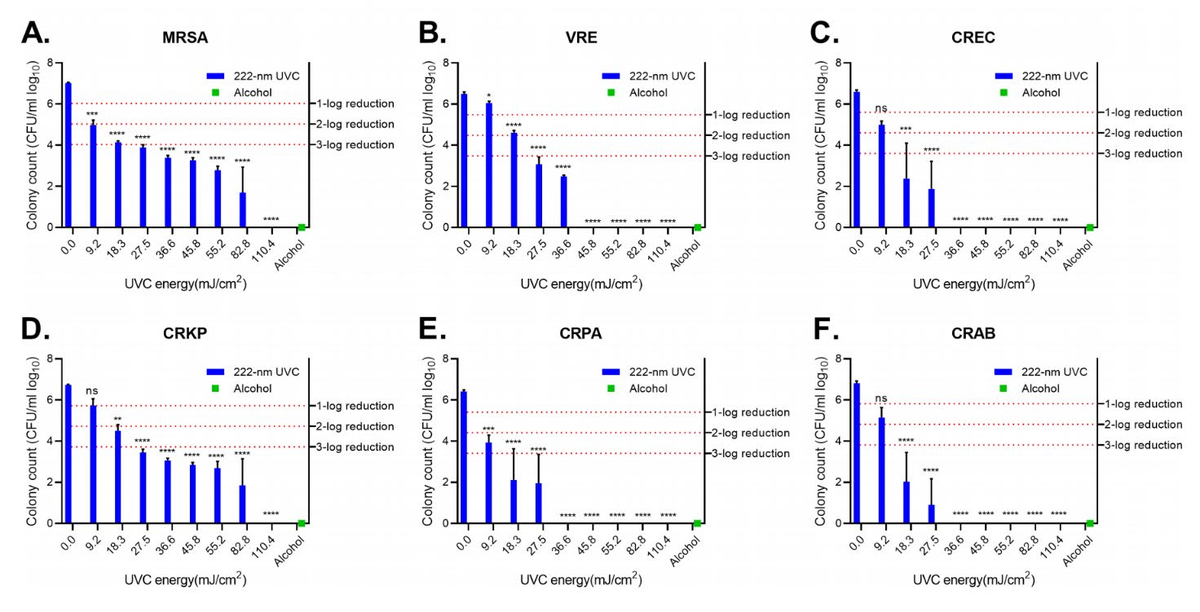
Further MRSA studies:
- In a simulated operating room, ceiling-mounted far-UVC achieved ≥2–3 log₁₀ reductions of MRSA across multiple surfaces (Memic et al., 2025).
- In a patient room and equipment storage room, wall-mounted far-UVC achieved ≥1.7 log₁₀ reductions at all tested sites after 45 minutes and ≥3 log₁₀ at most sites with extended exposure (Memic et al., 2024).
- On hospital mobile phones, 9 mJ/cm² (1.5 minutes) and 15 mJ/cm² (2.5 minutes) gave mean MRSA reductions of 2.91 and 3.95 log₁₀ (Kaiki et al., 2021).
Does far-UVC work against C. difficile spores?
Short answer: Yes, but spores need higher doses or longer exposure than vegetative bacteria.
Clostridioides difficile spores are highly resistant and can persist on surfaces for long periods. 222 nm showed greater efficacy against bacterial endospores than conventional 254 nm UV-C (Narita et al., 2020). In a healthcare bathroom, automated 222 nm far-UVC achieved reductions of ≥2 log₁₀ at several locations after 24 hours of exposure (Kaple et al., 2024).
Can bacteria repair the damage and recover after far-UVC?
Short answer: Studies show negligible recovery after 222 nm, unlike 254 nm UV-C. Far-UVC also damages the enzymes bacteria need for DNA repair.
Some bacteria can repair damage from 254 nm UV-C through photoreactivation (using visible light) or dark repair, so microorganisms that appear inactivated may partially recover. Jing et al., 2026 found that 254 nm and 222 nm caused similar initial DNA damage at practical doses (20–50 mJ/cm²), but bacteria treated with 254 nm recovered within hours, while those exposed to 222 nm remained inactivated. Far-UVC caused >95% loss of enzymatic activity, removing the tools needed for repair, and was markedly more effective against UV-resistant species.
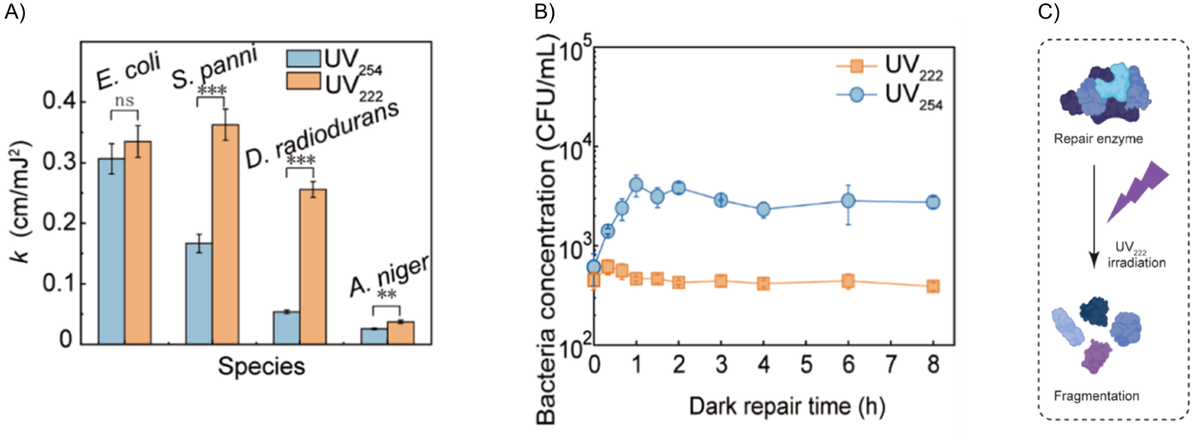
In Jing et al., 2024, E. coli inactivated by 254 nm photoreactivated from 2.71-log to 4.75-log, whereas bacteria treated with 222 nm showed negligible recovery, due to irreversible DNA strand damage and damage to membranes, lipids, proteins and repair enzymes.
Does far-UVC remove biofilm?
Short answer: Far-UVC is more effective at preventing biofilm formation than removing established biofilm.
Against biofilm-bound Pseudomonas aeruginosa, reductions were limited to approximately 1.5–2.5 log₁₀, compared with >6 log₁₀ for free-floating bacteria, because the biofilm structure absorbs and blocks UV light (Ma et al., 2022). Continuous or early application reduces the accumulation of microorganisms on surfaces and thereby limits biofilm development.
Does far-UVC work against Candida auris and other fungi?
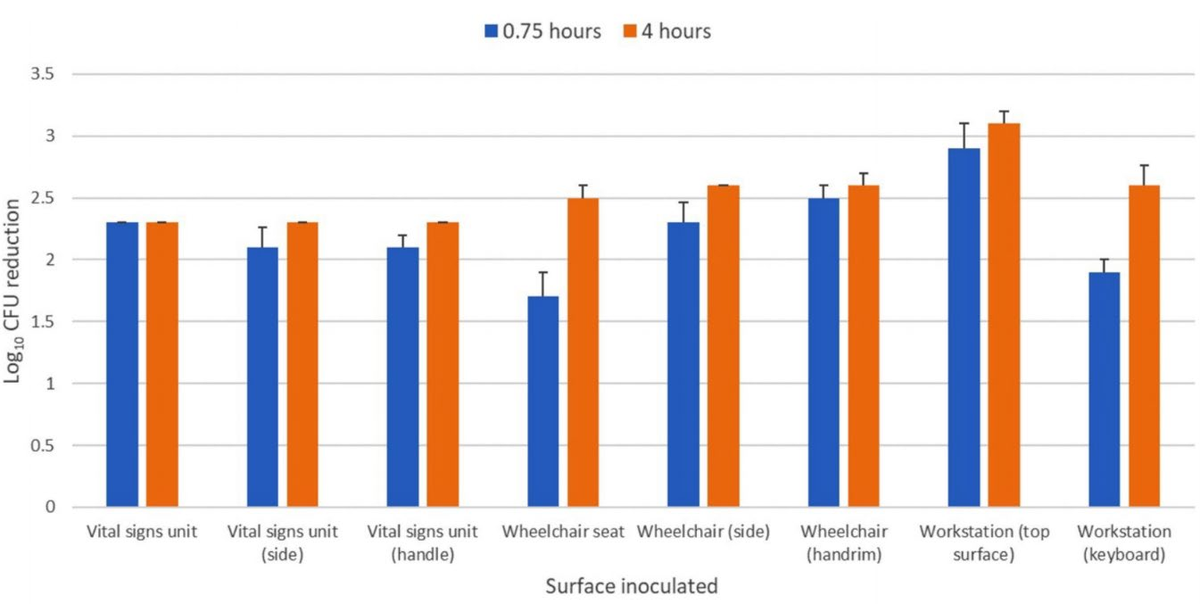
Short answer: Yes. Automated far-UVC consistently achieved >2 log₁₀ reductions of multidrug-resistant Candida auris on portable medical equipment.
Candida auris is an emerging multidrug-resistant fungal pathogen associated with healthcare outbreaks and persistent environmental contamination. Memic et al., 2024 tested workstations-on-wheels, vital signs monitors and wheelchairs at typical room distances from two far-UVC units.
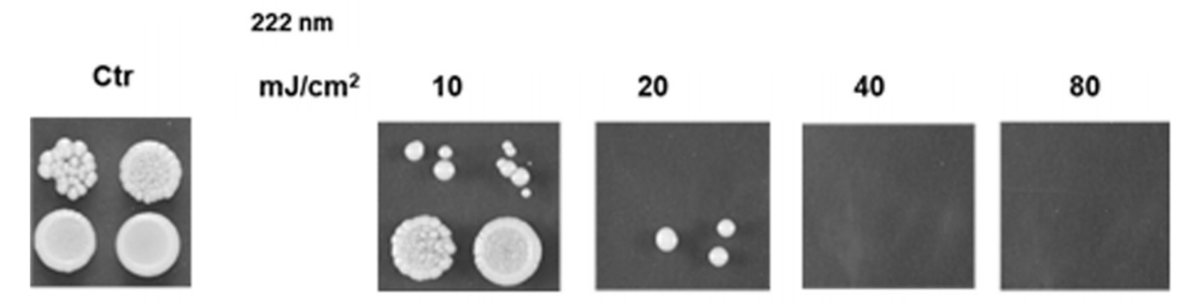
Against Candida albicans and C. parapsilosis, clear reductions were seen from ≥20 mJ/cm² and near-complete inactivation at 40 mJ/cm² (Schleusener et al., 2023).
Does far-UVC inhibit mold growth?
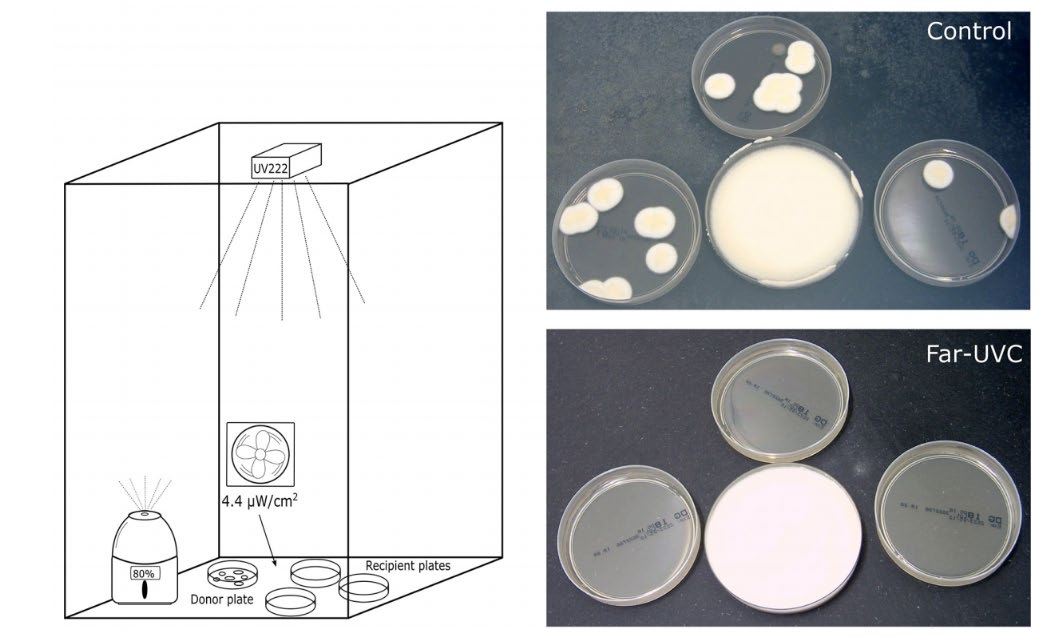
Short answer: Yes. Intermittent low-dose far-UVC inhibited mold growth from both airborne and surface spores, at doses below current exposure limits.
Mogensen & Holm, 2024 used on/off cycles against the common mold Penicillium candidum. At 50–100 mJ/cm² per day no visible growth was observed, and even 10–25 mJ/cm² markedly reduced growth compared with controls.
Does far-UVC reduce airborne pathogens in a real, occupied room?
Short answer: Yes. In an occupied room with normal activity, ceiling-mounted far-UVC operating within exposure limits reduced airborne infectious virus by 99.8%.
Buonanno et al., 2024 aerosolised murine norovirus, a conservative surrogate that is more resistant to UV than enveloped viruses such as influenza and SARS-CoV-2, in a working animal-care room with human activity and uncontrolled airflow.
How does far-UVC compare with ventilation and air changes per hour?
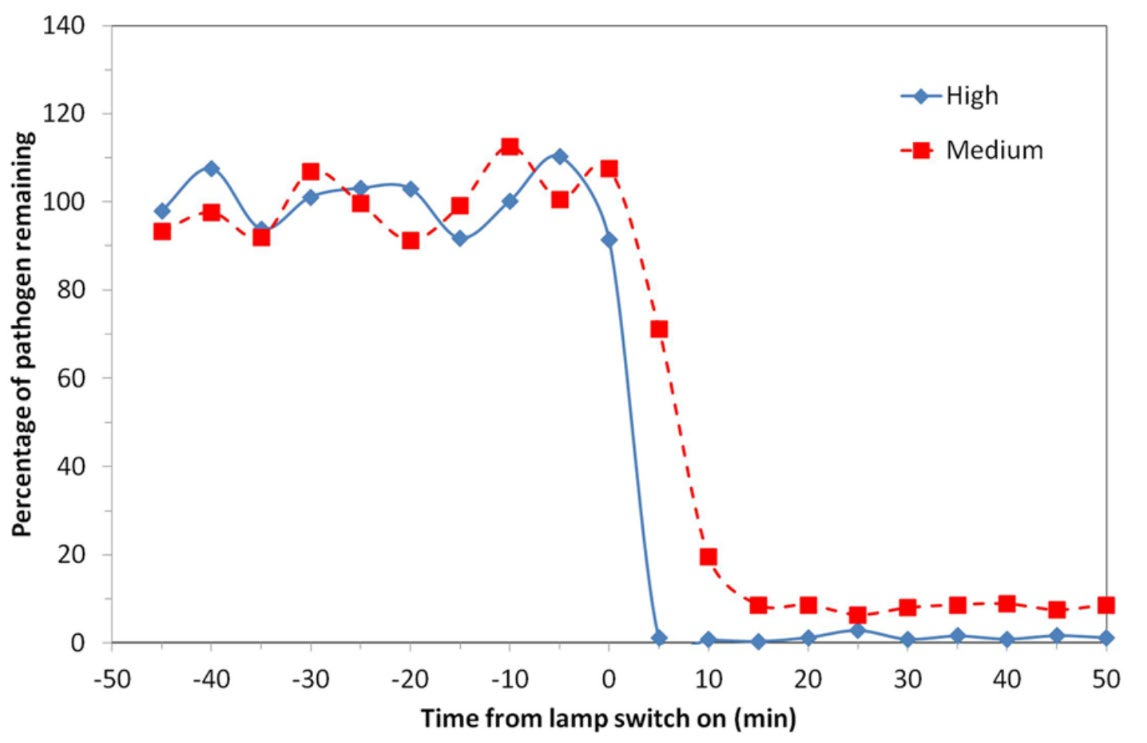
Short answer: In a room-sized chamber, far-UVC at the ACGIH limit corresponded to about 128 equivalent air changes per hour. Even at the lower ICNIRP limit it was equivalent to about 35 air changes per hour, more than ten times the baseline ventilation.
Eadie et al., 2022 continuously released aerosolised Staphylococcus aureus, a surrogate for MRSA, in a chamber ventilated at three air changes per hour. When the ceiling-mounted lamps were switched on, airborne bacteria fell rapidly, with up to 98.4% reduction.
Far-UVC does not replace ventilation or filtration. It adds inactivation of airborne microorganisms where people are, on top of what ventilation removes.
Does far-UVC reduce airborne allergens?
Short answer: It can reduce their ability to trigger an immune response. In a room-scale chamber, far-UVC reduced detectable airborne allergens by about 20–25% within 30 minutes.
Allergens are proteins and are not living, so they cannot be "killed". Far-UVC alters protein structure, which can disrupt the regions recognised by the immune system. Eidem et al., 2025 tested allergens from dust mites, pets, mold and pollen at doses ≤16.8 mJ/cm², well below exposure limits.
Does far-UVC work against foodborne and animal pathogens, such as Listeria, avian influenza and PRRSV?
Short answer: Laboratory studies show that 222 nm inactivates foodborne bacteria such as Listeria and Salmonella, avian influenza and airborne PRRSV. Evidence from farms and food production is still limited.
- Listeria monocytogenes and Salmonella: 222 nm inactivated both in water, with efficacy falling as turbidity rose (Kim et al., 2020).
- Avian influenza (H9N2): 222 nm eliminated 99.99% of the virus at 44–56 mJ/cm² (Do, 2022).
- PRRSV: 222 nm rapidly inactivated airborne porcine reproductive and respiratory syndrome virus, with treatment times under 2 seconds (Li et al., 2021). A pilot study in pigs has established a model for testing far-UVC against airborne PRRSV infection (Pedersen et al., 2025).
- Swine influenza: no 222 nm study specific to swine influenza is known to us. Swine influenza is an influenza A virus, and airborne influenza A (H1N1) was inactivated by more than 95% at 2 mJ/cm² (Welch et al., 2018).
- African swine fever (ASF): no published far-UVC data. ASF spreads mainly through direct contact and contaminated materials, so far-UVC would at most support, not replace, farm biosecurity.
Results for E. coli, Salmonella, Campylobacter, Bacillus, Staphylococcus aureus, Klebsiella, Acinetobacter, Aspergillus and Penicillium are covered in the answers above.
Clinical and real-world evidence
Is there clinical evidence from hospitals?
Short answer: Yes. In two Danish hospitals, ceiling-mounted far-UVC reduced bacterial contamination on waiting-area chairs by about 70% and on mobile workstations in a medical ward by 77% compared with a control ward.
Surfaces were continuously contaminated through routine use by patients and staff, and the reductions were achieved without disrupting clinical workflows (Mogensen et al., 2025).
Has far-UVC been used in intensive care units?
Short answer: Yes. In an ICU case study at the Air Force Specialized Hospital in Egypt, the room with far-UVC had little to no bacterial growth and no fungal growth in air samples over three weeks, while four control rooms did.
All five rooms were occupied by patients. The control rooms underwent hydrogen peroxide fumigation during the study, yet fungal growth was still detected. No fumigation was performed in the far-UVC room.
| Room | Week 1 | Week 2 | Week 3 |
|---|---|---|---|
| Control room 1 | 52 CFU | 30 CFU + fungal growth | 40 CFU + fungal growth |
| Control room 2 | 30 CFU | 35 CFU | 20 CFU + fungal growth |
| Control room 3 | 40 CFU | 25 CFU + fungal growth | 30 CFU + fungal growth |
| Control room 4 | 20 CFU + fungal growth | 35 CFU | 30 CFU + fungal growth |
| Far-UVC room | 0 | 2 CFU | 0 |
Is far-UVC used in pharmaceutical and GMP cleanrooms?
Short answer: Yes. UV222 systems are deployed in live pharmaceutical cleanrooms and operating theatres.
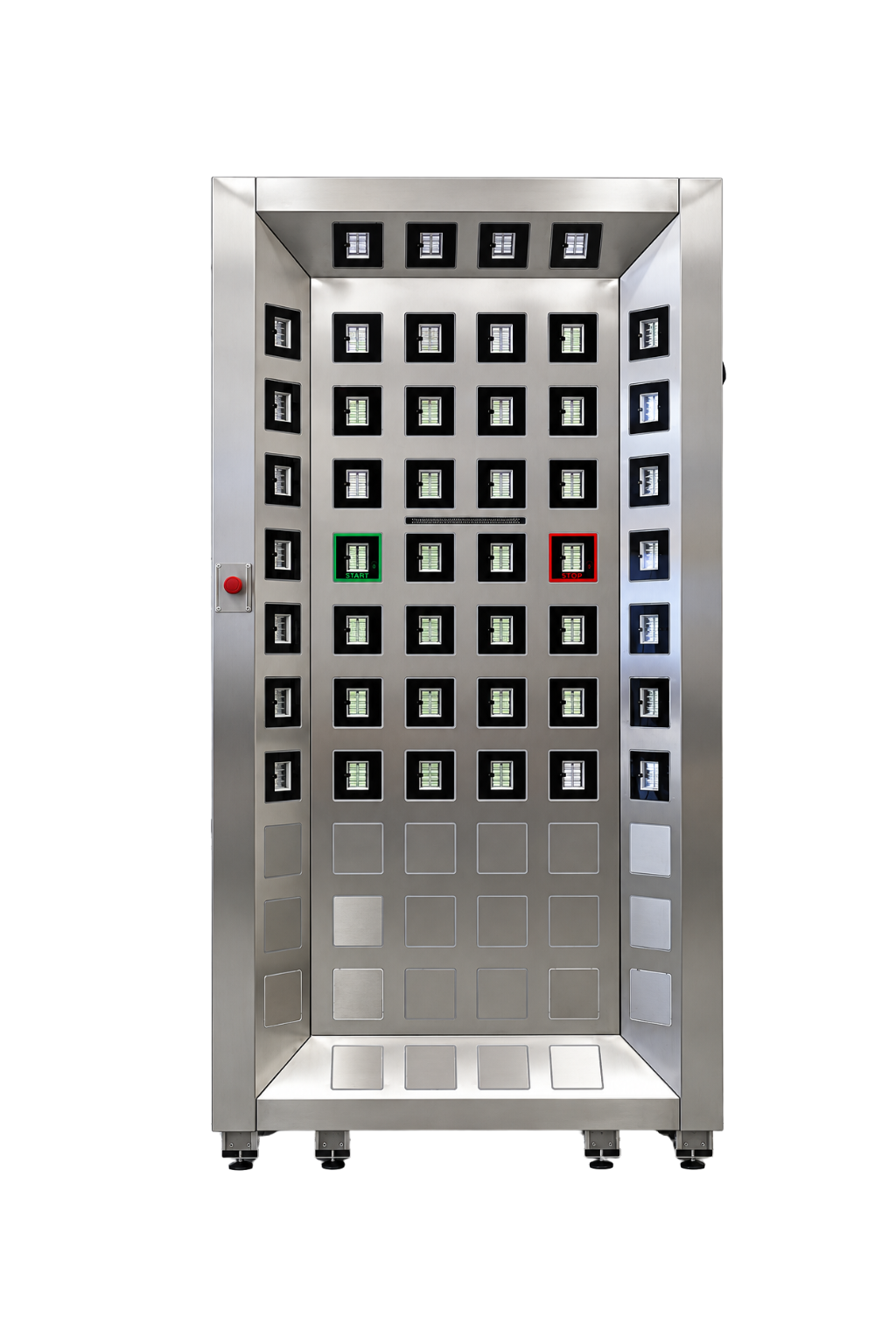
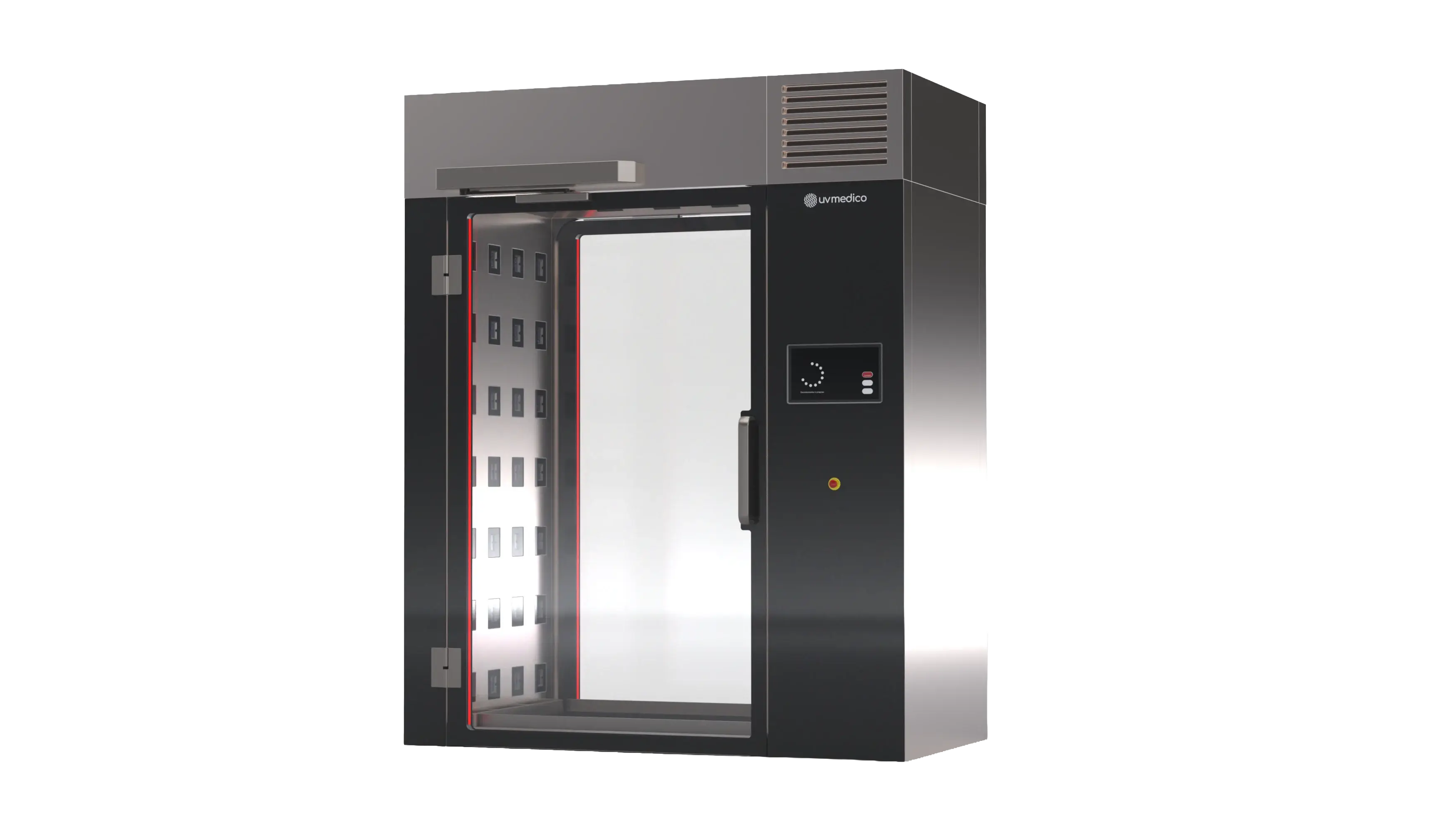
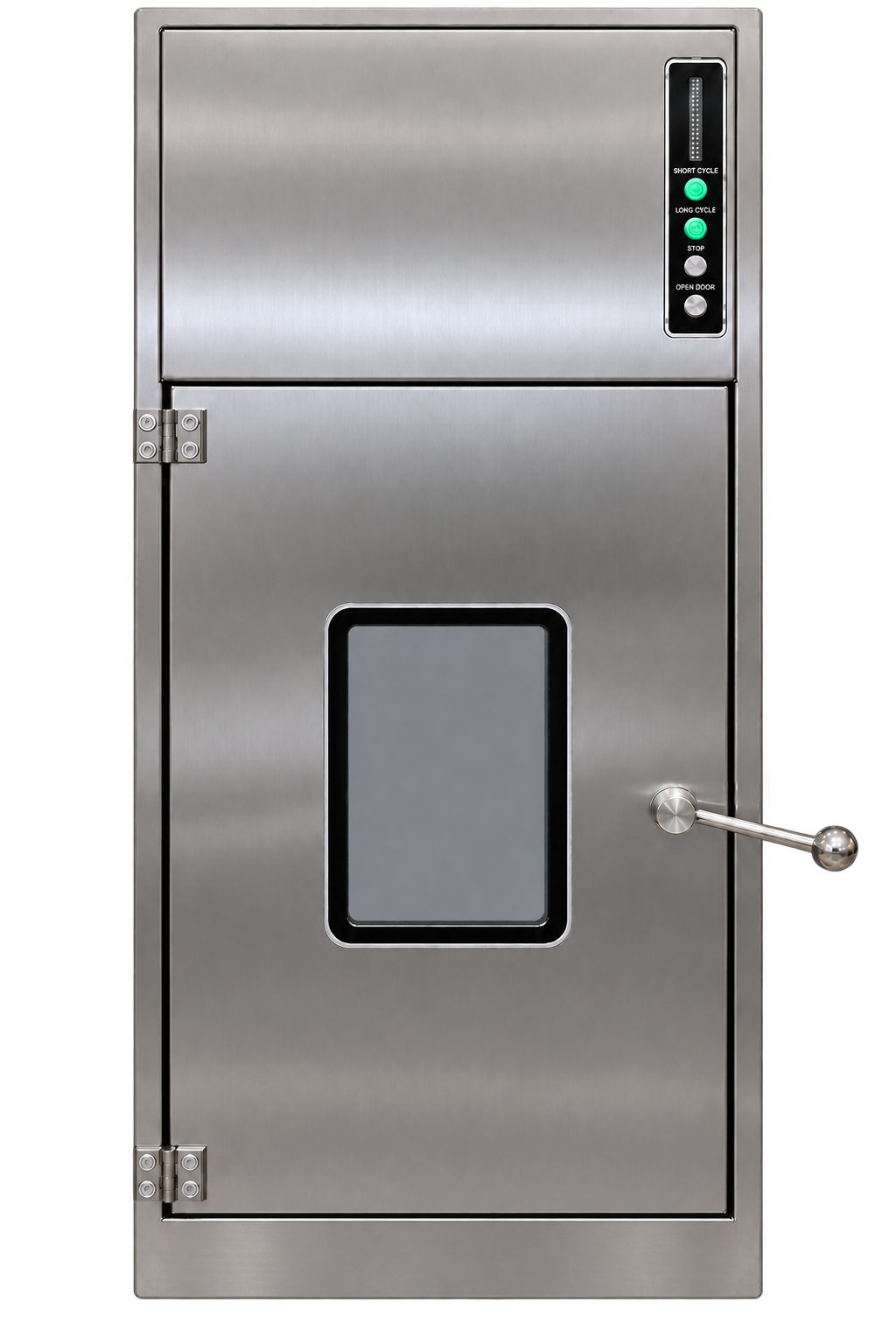
Examples include the UV222 Material Airlock at Sanofi and the UV222 Wall at a Grade B personnel entry in a European pharmaceutical plant. Customer environmental monitoring data is confidential, and each facility validates the step for its own installation and use case. Read the case studies or see far-UVC for cleanrooms.
How do I measure the effect of UV222 at my site?
Short answer: Use contact plates, dipslides or swabs that count colony-forming units (CFU), before and after installation. We do not recommend ATP tests.
Bacteria inactivated by far-UVC can still contain ATP, so ATP tests can give a misleading signal. For cleanrooms, a typical evaluation includes sampling before and after a cycle under your own conditions, environmental monitoring trend data before and after installation, and a risk assessment that places the step in your Contamination Control Strategy.
Safety for people
Can far-UVC be used while people are in the room?
Short answer: Experimental and clinical studies show no evidence of skin damage, eye irritation or carcinogenic effects when exposure stays within established guidelines (ACGIH / ICNIRP).
At 222 nm, ultraviolet radiation is strongly absorbed in biological materials, so penetration into human tissue is minimal. It is limited to the outer, non-viable layers of the skin and the tear film and outermost layer of the cornea, and does not reach the living cells beneath. As with any UV source, exposure must stay within the applicable limit, which is why every UV222 installation includes an exposure assessment.
Why doesn't 222 nm damage skin?
Short answer: The outermost skin layer, the stratum corneum, is made of dead cells rich in protein. It absorbs 222 nm before it can reach the living basal cells that regenerate the skin.
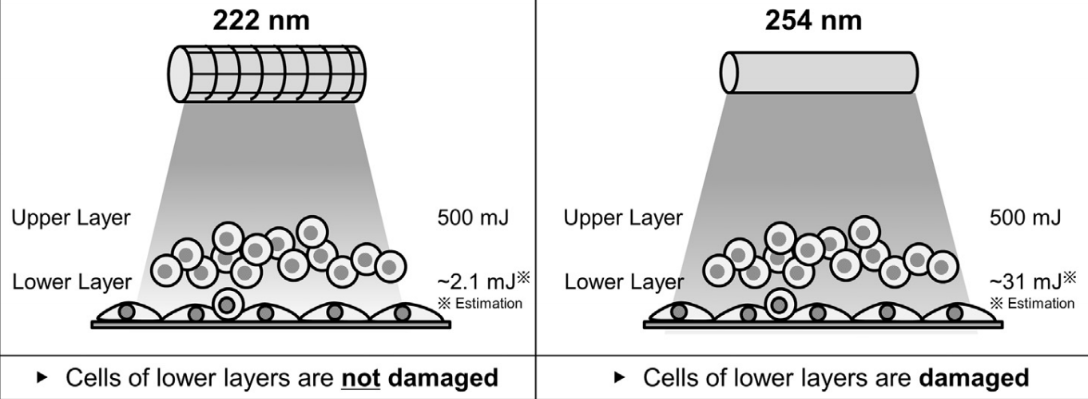
Modelling showed that even with the stratum corneum removed, less than 1% of 222 nm radiation reached the basal layer (Finlayson et al., 2022). In layered cell sheets, transmission of 222 nm was approximately ten times lower than 254 nm; after 500 mJ/cm², cells in the lower layer remained viable after 222 nm, while none survived 254 nm (Hanamura et al., 2020).
Does long-term far-UVC exposure cause skin cancer?
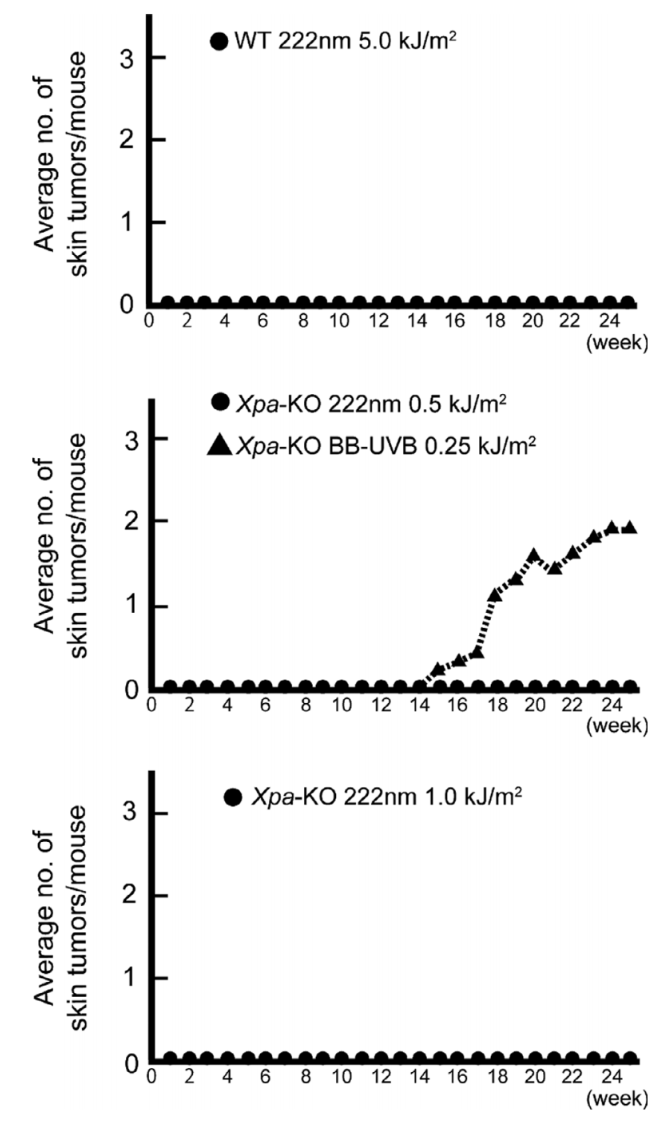
Short answer: Long-term studies show no evidence of skin cancer or abnormal skin growth, even in animals highly prone to UV-induced skin cancer and at doses above exposure limits.
- Hairless mice susceptible to UV-induced skin cancer were exposed to 55, 130 or 400 mJ/cm² for 8 hours a day, five days a week, for 66 weeks. No skin cancer, precancerous lesions or abnormal skin growths, and no increase in mortality (Welch et al., 2022).
- Highly UV-sensitive Xpa-knockout mice were repeatedly exposed to up to 5,000 mJ/cm² per exposure. No skin tumours developed, while tumours readily formed in UVB-exposed controls (Yamano et al., 2020).
- Daily exposure to 450 mJ/cm² for 10 days caused no DNA damage and no epidermal abnormalities, whereas 254 nm caused sunburn-like damage (Narita et al., 2018).
What is the safety margin for skin?
Short answer: Large. A human volunteer exposed his forearms to nearly 800 times the ICNIRP limit with no burns or skin damage.
Only above 6,000 mJ/cm² did a faint surface yellowing appear, which faded within hours and did not reach living skin layers (Eadie et al., 2021). In a hairless mouse model, about 1,162 mJ/cm² of 222 nm was needed to produce a minimal skin response, well above both the ICNIRP limit (23 mJ/cm²) and the ACGIH limit (479 mJ/cm²) (Gutierrez-Bayona et al., 2025).
Does far-UVC affect all skin types the same way, including sensitive skin?
Short answer: Studies show consistent results across skin types, ages, sexes and ethnicities, including people with photosensitivity disorders.
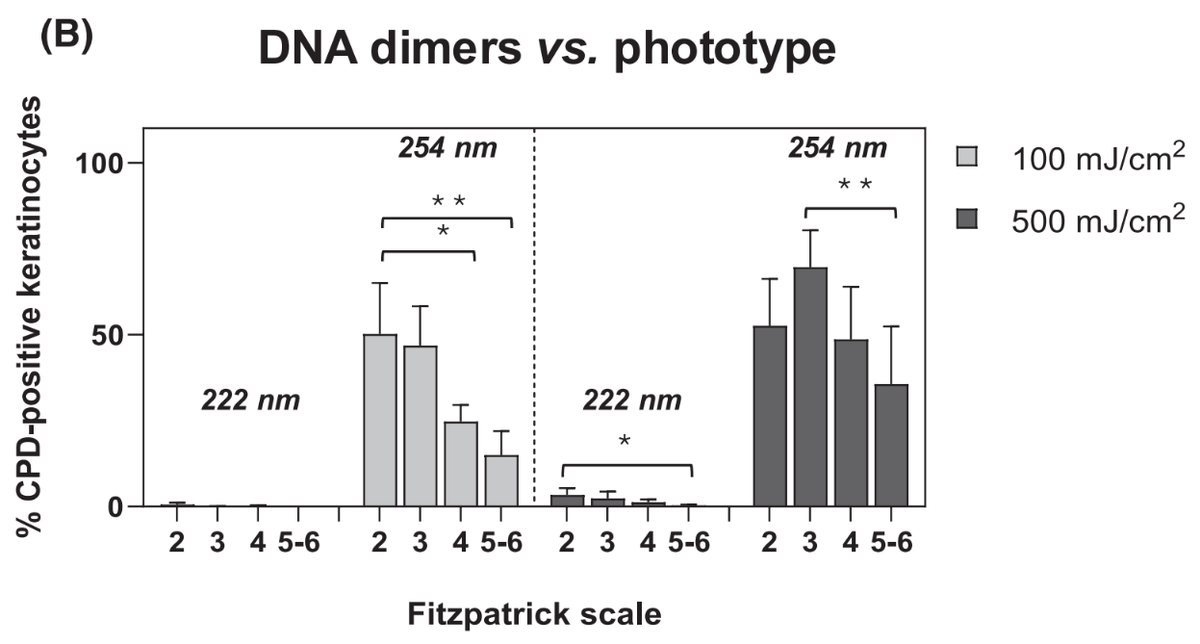
In live human skin from donors of Fitzpatrick types I–VI, 222 nm caused no significant DNA damage at 100 mJ/cm² and only minimal damage at 500 mJ/cm². The thickness of the protective stratum corneum was consistent across age, sex, ethnicity and skin type (Buonanno et al., 2025).
In a clinical photodiagnostic setting, 83 people, including patients with abnormal sensitivity to light, were exposed to up to 23 mJ/cm² (the ICNIRP daily limit) with no erythema or other visible skin reactions up to 24 hours later (Christou et al., 2025). If you have a condition that makes you particularly sensitive to UV light, talk to your doctor.
Can far-UVC harm the eyes?
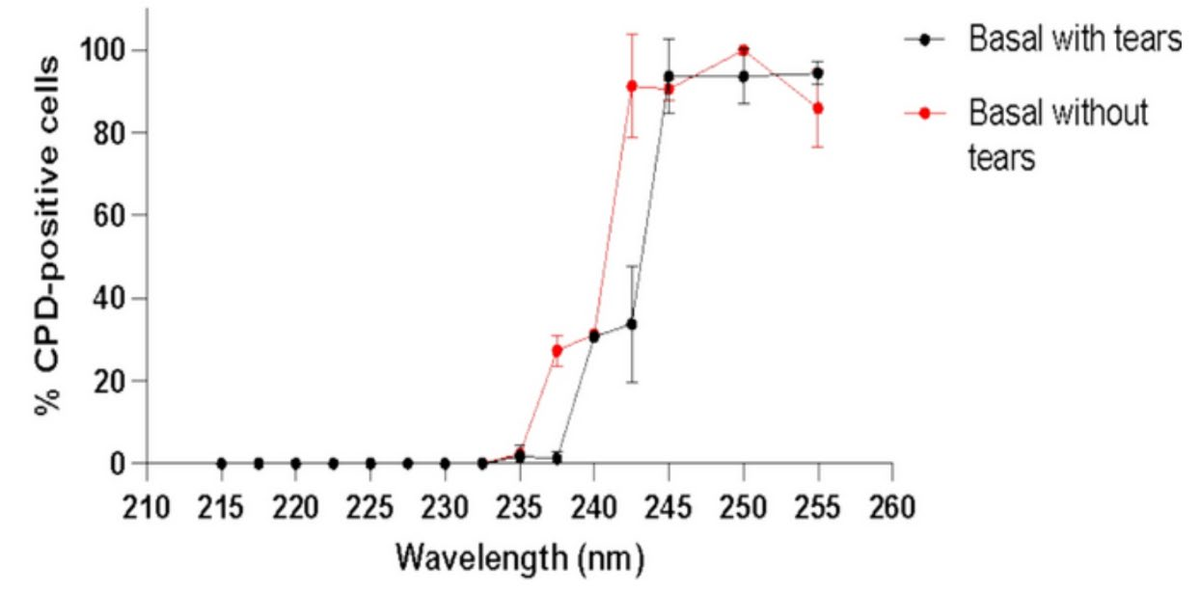
Short answer: Clinical and real-world studies show no eye damage or irritation at exposures within established limits. Ophthalmologists working under filtered 222 nm lamps for up to 36 months showed no clinically significant changes.
- No photokeratitis, cataract, pterygium or other abnormalities were found in visual acuity, refraction, corneal endothelial cell density or slit-lamp findings over three years, with exposure within the ACGIH TLV (Sugihara et al., 2024).
- In a simulated office, 37 participants received head exposures up to 50 mJ/cm² with no statistically significant increase in eye discomfort or irritation (Kousha et al., 2023).
- In rats, corneal damage appeared only at about 3,500–5,000 mJ/cm², more than 150 times the ICNIRP limit (Kaidzu et al., 2021).
- In a human cornea model, 222 nm caused DNA damage only in the superficial layers, with no increase in the regenerative basal layer (Buonanno et al., 2025).
How does far-UVC exposure compare with sunlight?
Short answer: Ten minutes of sunlight at a moderate UV index causes as much DNA damage in the basal skin layer as roughly four years of continuous filtered 222 nm exposure at current limits.
This comes from computer modelling by Eadie et al., 2021 and places the biological impact of far-UVC into context.
Can far-UVC be used on open wounds?
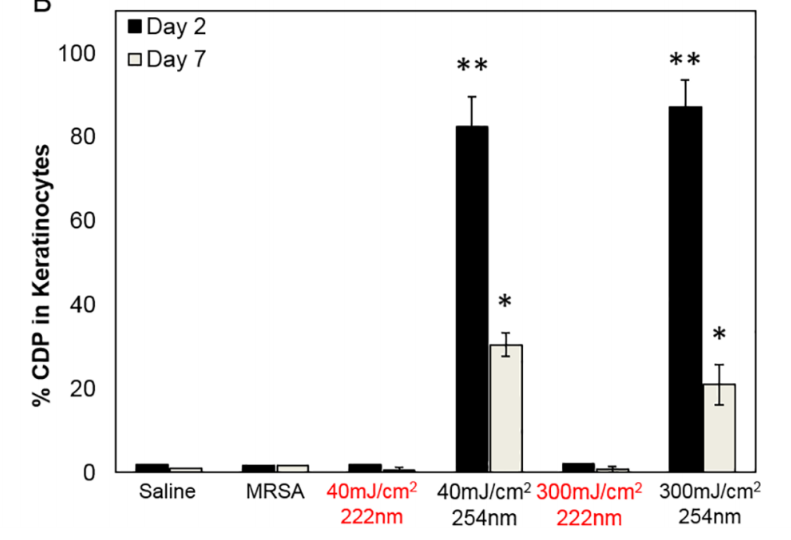
Short answer: Studies in animals and patients found no tissue damage, delayed healing or DNA damage when 222 nm was applied to wounds, unlike 254 nm UV-C.
- On surgical wounds in rabbits, there was no tissue damage, delayed healing or abnormal inflammation (Fukui et al., 2022).
- On superficial wounds in mice, 222 nm caused no increase in epidermal thickness or DNA damage at 2 or 7 days, while 254 nm did (Ponnaiya et al., 2018).
- Across 68 treatment sessions in 16 patients with stage 2–3 pressure ulcers, no acute adverse effects such as erythema, blistering or irritation were observed. Long-term safety was not assessed (Goh et al., 2021).
Does UV222 produce ozone?
Short answer: Very little. At the fixture density UV Medico specifies, with normal ventilation, measured ozone levels stay well below applicable occupational exposure limits.
The 222 nm light produces small amounts of ozone in the surrounding air. Limits vary by country and region. In small or enclosed spaces, ozone is included in the installation-specific assessment.
Do UV222 lamps contain mercury or hazardous gas?
Short answer: No mercury. The lamp contains only a small amount of krypton and chlorine gas, below atmospheric pressure.
UV222 lamps are mercury-free and RoHS compliant, unlike conventional 254 nm low-pressure mercury UV lamps. They need no special handling if a lamp breaks and no hazardous-waste disposal at end of life. Krypton is an inert noble gas, and even 50 broken tubes in a closed 1 m³ room would not reach a harmful chlorine concentration.
What happens if a lamp is dropped?
Short answer: The gas poses no risk, but contact UV Medico before using the lamp again.
A hard fall can damage the optical filter, and a damaged filter should not be cleaned with harsh chemicals. The electronics have a built-in safety shutdown. The occupancy sensor may become misaligned, in which case the lamp will not switch on.
Can far-UVC be used where animals are present?
Short answer: Much of the safety evidence comes from long-term studies in mice, rats and rabbits at doses above human exposure limits, which found no skin or eye damage at relevant doses.
UV222 installations in animal facilities are configured to stay within exposure limits.
Exposure limits, standards and compliance
What are the exposure limits for 222 nm far-UVC?
Short answer: Under the ACGIH Threshold Limit Values (TLVs), revised in 2022, the 8-hour limit at 222 nm is 161 mJ/cm² for the eye and 479 mJ/cm² for the skin. A growing number of countries have adopted the ACGIH TLVs.
Exposure limits for far-UVC are now being set on the basis of current science. The ACGIH TLVs were revised in 2022 to reflect the substantial body of research that has emerged on filtered 222 nm radiation over the past decade.
Some European countries still refer to the ICNIRP guidelines. These date back to 2004, before filtered far-UVC technology was commercially available and before the relevant studies had been carried out. At 222 nm, ICNIRP sets a single limit of 23 mJ/cm² per 8 hours for both eye and skin, based on a much more limited evidence base. This makes the ACGIH limits roughly 7 times higher for the eye and 20 times higher for the skin.
| 8-hour limit at 222 nm | ACGIH (2022) | ICNIRP (2004) |
|---|---|---|
| Eye | 161 mJ/cm² (≈ 5.6 µW/cm²) | 23 mJ/cm² (≈ 0.8 µW/cm²) |
| Skin | 479 mJ/cm² (≈ 16.6 µW/cm²) | 23 mJ/cm² (≈ 0.8 µW/cm²) |
µW/cm² is the average irradiance that reaches the 8-hour dose over a full 8 hours.
As the evidence continues to build, the ACGIH TLVs represent the current state of knowledge and the direction in which international exposure standards are moving.
Which exposure limit applies to my site?
Short answer: The limit set by your national rules. UV222 installations are configured to stay within the applicable limit, whether your site follows the ACGIH TLVs or the ICNIRP limits.
Regardless of which framework applies, UV Medico's UV222 fixtures are built to adapt to the local TLVs of the country where they are used. Whether a site follows the ACGIH TLVs or the ICNIRP limits, the installation can be configured to stay within the applicable limit.
- ACGIH TLVs: adopted by a growing number of countries and widely used as the occupational reference where no national rule sets a different value.
- ICNIRP limits: still referenced in some European countries. Within the EU, the workplace directive on artificial optical radiation (2006/25/EC) uses the ICNIRP values.
Not sure which limit applies to your site? UV Medico advises on this as part of the installation-specific exposure assessment.
Why do the ICNIRP and ACGIH limits differ?
Short answer: They are based on different bodies of evidence. The ACGIH TLVs were revised in 2022 using the research on filtered 222 nm radiation from the past decade. The ICNIRP guidelines date back to 2004, before filtered far-UVC was commercially available.
At 222 nm, ICNIRP sets a single limit of 23 mJ/cm² per 8 hours for both eye and skin, based on a much more limited evidence base. The ACGIH TLVs are roughly 7 times higher for the eye (161 mJ/cm²) and 20 times higher for the skin (479 mJ/cm²). As the evidence continues to build, the ACGIH TLVs represent the current state of knowledge and the direction in which international exposure standards are moving.
Exposure limits refer to 8 hours. What about longer stays?
Short answer: The 8-hour value is a daily limit. Where people stay longer, for example in public spaces or patient rooms, the dose is calculated for the relevant time frame.
UV222 configurations include occupancy and exposure time in the dose calculation.
How does UV Medico keep exposure within limits?
Short answer: Every UV222 installation includes an installation-specific exposure assessment, combining lamp measurements, room simulation, software dose control and on-site verification.
- Each product's full spectrum (not just 222 nm) and light distribution is measured in UV Medico's own facilities to calculate a lamp-specific exposure limit. Every standard fixture comes with an individual light measurement report.
- Simulations of lamp placement, room layout and reflections ensure even coverage with no overexposure hot spots.
- The lamp software calculates the time-integrated dose from the duty cycle and occupancy-sensor input, and is configured to the TLV that applies where the lamp is installed (ACGIH or ICNIRP).
- On site, point measurements are taken with an optical power meter calibrated to the UV222 spectrum.
Workplace measurement procedures are often aligned with EN 14255-1, LM-93-2022 or the revised ISO 15858. Settings can only be changed by an authorised UV Medico technician.
Which standards apply to far-UVC products?
Short answer: Key references are IEC 62471 and IEC 62471-6:2022 (photobiological safety), ISO 15858 (permissible human exposure), ANSI/IES RP-27.1-22 and UL 8802 in North America.
- IEC 62471-6:2022 provides UV-specific assessment, risk-group classification (RG0–RG3) and labelling. For UV applications the assessment distance is application-specific, typically about 0.4–3 m.
- ISO 15858 sets minimum human safety requirements for UV-C devices. The standard is under revision, and the 2026 edition is set to recognise the ACGIH limits alongside the ICNIRP limits.
- ANSI/IES RP-27.1-22 is a recommended practice for risk-group classification and hazard minimisation, often used in North America.
- ANSI/CAN/UL 8802 is a product safety standard for UV germicidal equipment, emphasising safeguards, interlocks and user information.
UV222 products are developed, tested and CE marked in compliance with international standards for luminaire and photobiological safety. See compliance and certifications.
Are UV222 products CE marked, and which certifications does UV Medico hold?
Short answer: Yes. UV222™ products are CE marked and tested for RoHS (2011/65/EU), the Low Voltage Directive (2014/35/EU) and EMC (2014/30/EU). UV Medico A/S is certified to ISO 13485:2016, ISO 9001 and ISO 14001.
The ISO 13485:2016 certificate is issued by DNV (certificate C814005, valid 30 September 2026 to 29 September 2029). The certified management systems give procurement and QA teams a supplier quality system they can verify, documented traceability from production to delivery, and support for supplier qualification in regulated environments. View certificates.
Are UV222 lamps medical devices?
Short answer: No. UV222™ products are not designed as medical devices; they are CE marked under the applicable EU product directives.
ISO 13485 certifies how UV Medico works: the quality management system behind manufacturing, sales and distribution, held to the standard used in healthcare manufacturing. It does not classify UV222 products as medical devices. Regulatory classification can change depending on claims, and stronger health or medical claims increase regulatory burden (EU MDR / FDA medical device contexts).
How does far-UVC fit into an EU GMP Annex 1 Contamination Control Strategy?
Short answer: A far-UVC step can be added at specific points, such as personnel entry or material transfer, as a documented risk-reduction measure in your Contamination Control Strategy (CCS).
EU GMP Annex 1 requires a CCS that covers all contamination sources, including personnel, materials and equipment. Far-UVC complements gowning, cleaning and environmental monitoring rather than replacing them. Each facility validates the step under its own conditions, and the step is placed in the CCS together with the exposure assessment.